



How to Transition to an Assisted Living Community
How to Transition to an Assisted Living Community
Your Comprehensive Checklist
Moving into an assisted living community is a major life change. It is important to approach this change thoughtfully and take proactive steps to ensure that the move is as seamless and reassuring as possible.
This may involve carefully planning the logistics of the move and taking the time to familiarize oneself with the new community and its amenities. Additionally, it’s essential to communicate openly with family members and caregivers to address any concerns and ensure a smooth transition.
Here, we provide you with a thorough checklist of what someone needs to prepare before moving into an assisted living community.
Jump to:
- Preparation and Research
- Logistics and Moving
- Health and Well-being
- Integration and Community
- Legal and Administrative
Preparation and Research
Preparing thoroughly and doing research can make the transition to an assisted living community much smoother, easing stress for everyone involved.
Research and Community Selection
-
- Take your time to research multiple assisted living communities in your desired location.
- Consider the amenities, services, and cost to determine the best fit.
Financial Planning
-
- Calculate and understand the cost of assisted living, including rent, care fees, and any additional charges.
- Carefully assess financial resources such as savings, investments, insurance, and benefits.
- It’s important to consider seeking advice from a financial advisor if you feel it would be helpful.
Legal and Administrative Documents
-
- Create or update crucial legal documents such as a will, power of attorney, and healthcare proxy to ensure your wishes are honored during difficult times.
- Remember to take the time to have meaningful discussions about these documents with your family members and the community you’ve chosen.
Visit in Advance
-
- Before you move in, it’s a good idea to visit the community and take some time to get to know the environment, as well as meet the staff and residents.
Logistics and Moving
Organizing personal possessions is important for a smooth transition to assisted living. Sorting belongings and reducing clutter helps ease the moving process. Adapting to a new living space can be tough, but minimizing stress and making the transition as comfortable as possible is essential.
Downsize and Declutter
-
- As you go through your belongings, take your time to decide what to keep, what you can donate to help others, what you can sell, and what you can discard.
- Consider organizing a garage sale, estate sale, or making donations to charities as part of your decluttering plan.
Packing
-
- Remember to start packing early and prioritize essential items like clothing, personal hygiene products, and sentimental belongings.
- Label boxes clearly to make unpacking easier.
Furniture and Personal Items
-
- Determine what furniture and personal items are allowed in the new living space.
- Coordinate with the assisted living community regarding room dimensions and restrictions.
Notify Utility Providers
-
- Cancel or transfer utility services (e.g., electricity, gas, water, cable, internet) for the current residence.
Change of Address
-
- Update your mailing address with the post office, banks, credit card companies, and any subscriptions.
Inform Family and Friends
-
- Notify friends and family of your new address and contact information.
Moving Logistics
-
- Arrange for professional movers or enlist the help of family and friends to assist with the move.
Health and Well-being
Taking proactive steps toward ensuring health and well-being can’t be discounted when transitioning into an assisted living community, as it fosters a smoother adaptation process and enhances the overall quality of life.
Medical Records
-
- Gather medical records, prescriptions, and a list of current medications.
- Share these records with the assisted living community’s healthcare staff.
Health and Wellness Check
-
- Schedule a thorough health checkup before moving, including dental and vision examinations.
Personal Care Services
-
- Discuss the types and extent of personal care services you’ll require with the assisted living community.
Personal Necessities
-
- If needed, stock up on personal necessities such as toiletries, medications, and assistive devices.
Transportation
-
- Determine the transportation options available in the new community for medical appointments and social activities.
Integration and Community
Ease of integration into a new community helps foster a sense of belonging and support, enhancing the overall well-being and satisfaction of individuals. It also encourages diversity and inclusion, making the community more vibrant and cohesive.
Setting Up the New Space
-
- When you’re settling into your new place, think about how you’d like to organize your things for maximum comfort and convenience.
Emotional and Social Support
-
- Consider joining resident committees and activities to build connections with neighbors.
Visit in Advance
-
- Visiting the community is important during both preparation and research and integration into a new community. Take some time to get to know the environment, as well as meet the staff and residents.
Emergency Contacts
-
- Share your emergency contact information with the assisted living staff.
Legal and Administrative
Assessing legal and administrative matters, arranging for pets, and ensuring safety precautions are crucial when transitioning to assisted living. These steps ensure a smooth transition and the well-being of the individual.
Legal and Administrative Documents
-
- Creating or updating crucial legal documents such as a will, power of attorney, and healthcare proxy can provide peace of mind for you and your loved ones.
- Please take the time to discuss these documents with your family members and the chosen community.
Legal Agreements
-
- Carefully review and sign any contracts or agreements with the assisted living community.
Get Insurance in Place
-
- Make sure you have the proper health, long-term care, and renter’s insurance in place.
Address Pet Arrangements
-
- Make arrangements for pets, including finding a suitable home or ensuring the community allows pets.
Safety Precautions
-
- Assess the safety of your new living space and implement any required modifications or additions, such as installing grab bars or handrails.
Moving into an assisted living community can be a significant and positive decision, and taking the time to prepare thoroughly can make the transition smoother and more positive.
To ensure a seamless move, it’s essential to start the process early, involve your loved ones, and maintain open communication with the community.
At Veramazo, we provide personalized and curated advisory services to ensure your loved ones feel at home in a community that meets their unique needs and treats them with the dignity they deserve.

A note from our co-owner and clinical team leader, Michelle Marceca
As the Clinical Team Leader at Veramazo, I often reflect on the meaningful experiences that have shaped my approach to elder care. One such experience that stands out in my career is with a lovely woman named Margaret. She was torn between moving into an assisted living facility and maintaining her independence in a senior-friendly apartment. Margaret’s fierce independence was challenged by recent health concerns, which worried her family. After thorough consultations and honest discussions, we found a solution that offered the best of both worlds. Margaret moved into an independent living community with easy access to additional care when needed. This transitional care community allowed her to retain her cherished independence while ensuring she had the necessary support. It was important to guide her appropriately, considering the entire situation and not just “the now.”
At Veramazo, our unwavering commitment is to provide your loved ones with the highest quality of care. With extensive experience in the healthcare industry, I have always prioritized compassion, dignity, and respect for our elders. Having firsthand insight into the differences between assisted living and independent living, along with the profound impact these choices have on seniors and their families, I am equipped to guide and support you.
I work alongside a devoted team of healthcare professionals who share my passion for elder care. Together, we have assisted countless families in navigating senior living options and are dedicated to providing expert guidance and reassurance as you make these critical decisions. At Veramazo, our ultimate goal is to ensure that every senior under our care enjoys a life of independence, safety, and fulfillment.


Assisted Living vs. Independent Living for Seniors
Assisted Living vs. Independent Living for Seniors
Understanding the Nuances
As individuals age, the need for supportive living arrangements becomes a pertinent consideration. Many seniors find themselves navigating the options of assisted living and independent living, each offering unique benefits tailored to varying needs and preferences.
While both options aim to provide a comfortable and safe environment for seniors, they have distinct differences. In this blog post, we delve into the differences between assisted living and independent living, explore their similarities, and share some factors to consider when determining which option may be optimal for your loved one.
What’s Unique about Assisted Living?
As our loved ones age, they may need extra assistance with their daily routines, but that doesn’t mean they can’t maintain their independence. Assisted living facilities are thoughtfully designed to provide seniors with the care and support they need for activities of daily living (ADLs) while still preserving their autonomy. It’s our way of ensuring that our cherished elders receive the attention and care they deserve.
These facilities offer a supportive environment where residents can receive personalized care and support as needed. Here are some key characteristics of assisted living:
- Personalized Care: Assisted living facilities employ trained staff members who are available round-the-clock to assist residents with tasks such as bathing, dressing, medication management, and meal preparation. The level of care provided is tailored to each individual’s specific needs, ensuring they receive the assistance required to maintain their quality of life.
- Safety and Security: Assisted living communities prioritize the safety and security of their residents. They often feature amenities such as emergency call systems, security personnel, and secure entry points to ensure residents feel protected at all times.
- Social Engagement: Assisted living facilities offer a variety of social activities and recreational programs to promote socialization and mental stimulation among residents. These activities may include group outings, fitness classes, hobby clubs, and cultural events, fostering a sense of community and camaraderie.
- Healthcare Services: Many assisted living facilities provide access to healthcare services onsite or through partnerships with local healthcare providers. This may include regular wellness checks, medical monitoring, physical therapy, and coordination of medical appointments, ensuring residents receive comprehensive healthcare support.
What’s Unique about Independent Living?
As we age, living independently can become challenging and require more effort. Independent living communities can offer a much-needed solution for seniors who desire a maintenance-free lifestyle in a community setting.
These communities are designed to provide a range of amenities and services to enhance their quality of life and promote an active lifestyle. They provide a supportive environment to help seniors lead a fulfilling life with dignity and respect. Here are some distinctive features of independent living:
- Freedom and Autonomy: Independent living communities empower seniors to maintain their independence and autonomy while enjoying a supportive environment. Residents typically reside in private apartments or cottages and have the freedom to come and go as they please without the constraints of daily care routines.
- Amenities and Services: Independent living communities often boast an array of amenities such as dining options, fitness centers, recreational facilities, housekeeping services, transportation assistance, and organized activities. These amenities are aimed at providing convenience and enhancing the overall lifestyle of residents.
- Social Opportunities: Similar to assisted living, independent living communities promote social engagement and interaction among residents. They may organize social events, group outings, educational seminars, and hobby clubs to encourage residents to connect with one another and form meaningful relationships.
- Maintenance-Free Living: One of the primary advantages of independent living is the freedom from home maintenance responsibilities. Residents no longer have to worry about chores such as yard work, home repairs, or household upkeep, allowing them to focus on pursuing their interests and enjoying their retirement years.
What’s Similar between the Two?
Both assisted living and independent living options offer housing and lifestyle amenities to senior citizens. While the level of assistance provided differs between the two options, they do share some similarities in terms of the services and facilities they offer. Here are some similarities between assisted living and independent living facilities:
- Community Environment: Both assisted living and independent living offer a community-based living environment where seniors can socialize, participate in activities, and forge friendships with fellow residents.
- Safety Measures: Both types of communities prioritize the safety and well-being of residents by implementing safety protocols, emergency response systems, and security measures to ensure a secure living environment.
- Social Engagement: Socialization and engagement are integral components of both assisted living and independent living. Both types of communities provide opportunities for residents to participate in social activities, events, and outings to combat loneliness and promote mental well-being.
- Access to Amenities: Whether in assisted living or independent living, residents have access to a range of amenities and services designed to enhance their quality of life and meet their individual needs and preferences.
Why One Might be More Optimal than the Other?
As we consider the best living arrangement for our elderly loved ones, we must put ourselves in their shoes and feel what they are going through. It can be a daunting task to determine whether assisted living or independent living is more appropriate for them.
We must consider their physical and mental health, level of autonomy, personal choices, and the support they require. Only by empathizing with our seniors can we make the right decision for them and provide them with the care and attention they deserve. Here are some considerations to keep in mind:
Health and Care Needs
If a senior requires assistance with ADLs or has medical needs that necessitate regular monitoring and care, assisted living may be the more suitable option. Conversely, if a senior is in good health and able to live independently without assistance, independent living may be a better fit.
Desired Lifestyle
Consider the senior’s preferences and lifestyle goals. If they value freedom, independence, and a maintenance-free lifestyle, independent living may be preferable. However, if they seek a supportive environment with access to personalized care and amenities, assisted living may better align with their needs.
Socialization and Community Engagement
Assess the importance of social interaction and community engagement for the senior. Both assisted living and independent living offer opportunities for socialization, but the extent and focus of social activities may vary between the two. Choose the option that provides the desired level of social engagement and connection.
Financial Considerations
Compare the cost of assisted living versus independent living and evaluate whether the senior’s budget can accommodate the expenses associated with each option. Consider factors such as monthly fees, healthcare costs, and any additional services or amenities included.
In the end, it’s all about ensuring that our loved ones can enjoy the best quality of life possible while being surrounded by a supportive and caring community as they age. Both assisted living and independent living options are designed to achieve this goal, but each has its unique advantages. By taking the time to carefully consider your loved one’s individual needs and preferences, you can make an informed decision that will help them thrive and enjoy their golden years to the fullest.
Whether it’s the personalized care of assisted living or the freedom of independent living, the goal remains the same: to ensure seniors thrive and enjoy a fulfilling lifestyle in their later years.
At Veramazo, we provide personalized and curated advisory services to ensure your loved ones feel at home in a community that meets their unique needs and treats them with the dignity they deserve.

The Importance of Therapeutic Counseling For Seniors
The Importance of Therapeutic Counseling For Seniors
Understanding the Unique Needs of Seniors
As we grow older, life can present us with a range of unique challenges that may have a significant impact on our mental and emotional health. From dealing with loss and feelings of loneliness to navigating health issues and life transitions, the journey toward our golden years can be both rewarding and overwhelming.
In the face of these challenges, therapeutic counseling can provide a much-needed source of support. Therapeutic counseling for seniors, often referred to as geriatric counseling or therapy, is a specialized form of mental health support tailored to the unique needs and challenges faced by older adults.
In this blog post, we’ll explore the importance of therapeutic counseling for seniors and how it can have a profound impact on mental health, navigating life transitions, combating loneliness & isolation, quality of life, and emotional resilience.
Promoting Mental Wellness
Therapeutic counseling for seniors offers a tailored approach to promoting mental wellness, drawing upon various techniques and strategies. Below are some specific approaches commonly used in counseling for seniors:
- Cognitive Behavioral Therapy (CBT) helps seniors manage anxiety and depression by challenging negative thought patterns.
- Reminiscence and life review therapies foster self-esteem and meaning by reflecting on past experiences and achievements.
- Mindfulness and relaxation techniques aid in stress management, while validation and empathy create a supportive environment for exploring mental health concerns.
Additionally, behavioral activation encourages seniors to engage in fulfilling activities to combat depression and isolation, while interpersonal therapy enhances communication and relationships. Psychoeducation equips seniors with knowledge about mental health and available resources, and a strengths-based approach emphasizes resilience and coping skills. Interdisciplinary collaboration ensures holistic care addressing seniors’ physical, emotional, and social needs, ultimately promoting mental wellness and enhancing overall quality of life in later years.
Navigating Life Transitions
Therapeutic counseling for seniors offers valuable strategies to navigate life transitions with resilience and adaptability.
- Counselors provide psychoeducation to help seniors understand the nature of transitions and develop practical coping skills.
- Through exploration and reflection, seniors gain insight into their thoughts and feelings, while cognitive restructuring helps them reframe perceptions of change positively.
- Problem-solving techniques empower seniors to tackle challenges step by step, and social support networks offer emotional validation and practical assistance during times of transition.
- Grief and loss counseling provides a compassionate space to process feelings of loss, while goal setting and action planning instill a sense of accomplishment and progress.
- Narrative therapy encourages seniors to reshape their stories around transition, emphasizing strengths and resilience.
- Resilience-building strategies foster adaptive coping skills, enabling seniors to navigate transitions with confidence and optimism, supported by ongoing counseling and follow-up sessions.
In essence, therapeutic counseling equips seniors with the tools and support needed to navigate life transitions successfully. Through a combination of psychoeducation, reflection, problem-solving, social support, and resilience-building, seniors can approach change with resilience and adaptability, finding meaning and growth in new chapters of their lives.
Addressing Loneliness and Isolation
Loneliness and social isolation are pervasive issues among seniors, with profound implications for mental health and well-being. Therapeutic counseling plays a crucial role in addressing loneliness and isolation in seniors through various approaches.
- Firstly, they offer supportive counseling sessions, creating a safe environment for seniors to express their feelings and develop coping strategies.
- Additionally, counselors may provide social skills training to enhance seniors’ ability to initiate and maintain connections, while group therapy and support groups offer opportunities for mutual support and camaraderie.
Moreover, counselors encourage seniors to engage in community activities and hobbies aligned with their interests, fostering social interaction and a sense of purpose.
They also refer seniors to community resources such as senior centers and social service agencies, providing access to programs and support services tailored to addressing loneliness and isolation.
Through individual therapy sessions, support groups, and community engagement initiatives, counselors help seniors cultivate meaningful relationships, foster social connections, and combat feelings of loneliness and isolation.
Supporting Caregivers and Family Members
Caring for an aging loved one can be emotionally taxing and physically demanding. The methods listed below detail how therapeutic counseling extends support not only to seniors but also to their caregivers and family members:
Caregiver Support Groups:
Therapeutic counseling often includes support groups specifically tailored for caregivers of seniors. These groups provide a safe space for caregivers to share their experiences, challenges, and emotions with others who understand their situation. Counselors facilitate these groups, offering guidance, validation, and practical advice on coping strategies, self-care, and managing caregiver stress. Caregiver support groups can help reduce feelings of isolation, provide emotional validation, and offer valuable peer support to caregivers.
Family Therapy Sessions:
Therapeutic counseling may involve family therapy sessions aimed at addressing interpersonal dynamics, communication patterns, and conflicts within the family unit. Family therapy offers a collaborative approach to resolving issues and improving relationships among family members. Counselors facilitate open communication, promote understanding, and help family members develop healthier ways of interacting and supporting each other. By addressing family dynamics and fostering cohesion, family therapy enhances the overall well-being of both seniors and their caregivers.
Psychoeducation and Coping Skills Training:
Therapeutic counseling provides psychoeducation and coping skills training not only to seniors but also to their caregivers and family members. Counselors offer information about the nature of aging, common mental health concerns, and strategies for managing caregiver stress and burnout. Caregivers and family members learn practical techniques for self-care, stress management, and effective communication, empowering them to navigate the challenges of caregiving more effectively.
By equipping caregivers and family members with knowledge and skills, therapeutic counseling extends support beyond the individual senior, fostering a more resilient and cohesive support system for everyone involved.
Fostering Cognitive Health and Emotional Well-being
For seniors grappling with cognitive decline or dementia, therapeutic counseling offers tailored interventions to support cognitive health and emotional well-being.
Through cognitive stimulation exercises, memory-enhancing techniques, and emotional support, counselors empower seniors to maintain a sense of agency and dignity in the face of cognitive challenges.
Cognitive Stimulation:
In therapeutic counseling for seniors, a range of cognitive stimulation exercises are employed to keep mental faculties sharp. These exercises encompass activities like crossword puzzles, Sudoku, and brain training apps tailored for seniors. Through engaging in word games and brain teasers, seniors exercise problem-solving skills and linguistic acuity, fostering cognitive agility and mental sharpness. These exercises not only challenge the mind but also provide enjoyable avenues for seniors to stay mentally active and stimulated.
Memory-enhancing Techniques:
These techniques play a crucial role in helping seniors retain and recall information more effectively. Techniques such as mnemonic devices, association strategies, and repetition exercises are commonly utilized. By employing mnemonic devices like acronyms or visualization techniques, seniors can encode and retrieve information more efficiently. Additionally, breaking down complex information into manageable chunks and utilizing external memory aids like calendars and reminder apps assist in bolstering memory function. These techniques empower seniors to compensate for memory difficulties and enhance their overall cognitive performance.
Essential Emotional Support:
Through active listening, validation of emotions, and encouragement, therapists create a nurturing environment for seniors to express themselves and navigate their feelings. Coping skills training equips seniors with practical techniques to manage stress and anxiety effectively. Furthermore, therapists empower seniors to recognize their strengths, fostering resilience and a sense of agency in navigating life’s challenges. Through these combined approaches, therapeutic counseling supports seniors not only cognitively but also emotionally, promoting overall well-being and quality of life.
Through these interventions, counselors help seniors bolster their cognitive abilities, enhance their self-esteem, and preserve their autonomy in the face of cognitive challenges.
By focusing on strengths rather than limitations, counseling fosters a sense of resilience and self-efficacy in seniors living with cognitive impairment.
Embracing a Holistic Approach
Therapeutic counseling for seniors adopts a holistic approach to well-being, acknowledging that mental, physical, and spiritual aspects are interconnected. For instance, counselors might incorporate physical activity such as gentle yoga or tai chi into treatment plans to promote both physical health and mental relaxation. Additionally, nutrition counseling may focus on dietary changes to support cognitive function and overall vitality.
Addressing spirituality, counselors might explore practices like meditation or prayer that offer seniors a sense of connection and purpose, contributing to their emotional resilience and well-being.
Moreover, counselors recognize the importance of mindfulness practices in promoting holistic wellness for seniors. Techniques such as deep breathing exercises or guided imagery can help seniors manage stress and anxiety, enhancing their overall quality of life.
By tailoring treatment plans to include these diverse elements, counseling promotes not only emotional well-being but also physical health and spiritual fulfillment for seniors. This person-centered approach ensures that each individual’s unique needs and preferences are honored, fostering a sense of empowerment, autonomy, and dignity in their therapeutic journey.
Connecting Seniors with Community Resources
In addition to individual counseling sessions, therapists play a pivotal role in connecting seniors with community resources and support networks.
From senior centers and wellness programs to volunteer opportunities and recreational activities, these resources provide valuable opportunities for social engagement, skill-building, and personal growth.
By tapping into these community resources, seniors can expand their social circles, pursue new interests, and enhance their overall quality of life.
Conclusion
The power and value of therapeutic counseling for seniors lie in its ability to provide holistic support that addresses the diverse needs of older adults, promoting mental, physical, and emotional well-being.
By offering tailored interventions, compassionate guidance, and a person-centered approach, therapeutic counseling empowers seniors to navigate life’s challenges with resilience, dignity, and a renewed sense of vitality. As a result, seniors can experience improved quality of life, enhanced relationships, and a greater sense of fulfillment in their golden years.
As we age, life can become more complex and challenging. But with therapeutic counseling, seniors have a compassionate and supportive ally by their side. This invaluable service offers them the tools and resources they need to navigate life’s obstacles and find joy and fulfillment in their later years.
At Veramazo, we provide personalized and curated advisory services to ensure your loved ones feel at home in a community that meets their unique needs and treats them with the dignity they deserve.

Does Medicaid Pay for Assisted Living? Understanding the Process in New Jersey
Does Medicaid Pay for Assisted Living? Understanding the Process in New Jersey
Navigating the complexities of healthcare can be overwhelming, especially for seniors requiring assisted living. As individuals or families seek to understand Medicaid’s role, it becomes crucial to have a compassionate and supportive approach.
Medicaid is a vital healthcare program, jointly funded by the state and federal governments, designed to provide essential medical services to eligible low-income individuals and families. It aims to ensure that everyone, regardless of their financial status, has access to necessary medical care.
Medicaid serves a diverse range of beneficiaries, including children, pregnant women, individuals with disabilities, and seniors with limited financial resources. Through Medicaid, eligible individuals can access various healthcare services such as doctor visits, hospitalizations, and prescription medications.
But does Medicaid Cover assisted living?
The short answer is Yes, Medicaid does cover assisted living services for eligible individuals through specific programs such as Medicaid Long-Term Services and Supports (MLTSS).
These programs vary by state and are designed to provide comprehensive long-term care services, including assistance with activities of daily living, medication management, and supportive services within assisted living facilities.
However, eligibility criteria, coverage, and availability of assisted living services under Medicaid can differ depending on the state’s regulations and funding. Therefore, individuals seeking assisted living coverage under Medicaid should consult with their state’s Medicaid office or a knowledgeable healthcare professional to understand the specific guidelines and requirements.
In this article, we will delve into the specifics, focusing on the context of New Jersey’s Medicaid Long-Term Services and Supports (MLTSS) program.
Understanding Medicaid in New Jersey
Navigating long-term care options and Medicaid eligibility can be overwhelming, but there are resources available for those in need. New Jersey’s MLTSS Program, administered through NJ FamilyCare, provides a range of services to support individuals with long-term care needs, including care management, home-delivered meals, respite care, and assisted living.
Eligibility for Medicaid in New Jersey is determined based on various factors, such as income, household size, age, and disability status, which can be daunting to understand. However, there are specific income caps and allowances for married couples that can help make the process more manageable.
Income and Asset Eligibility
Navigating the eligibility requirements for New Jersey’s Medicaid long-term care programs can be overwhelming. It’s important to know that the income cap is adjusted annually based on the maximum Supplemental Security Income (SSI) benefit.
However, eligibility requirements based on financial and functional needs can vary greatly and change every year. These criteria may also vary based on marital status. Rest assured, we understand the challenges you may be facing and we’re here to support you through the process.
Income Limits
It is important to note that income limits for Medicaid programs in New Jersey are determined based on factors such as household size, age, and disability status. For MLTSS, there’s a hard monthly income cap of $2,742, which can be difficult for many families.
Spousal Considerations
However, there are options available for married individuals, such as the Community Spouse Maintenance Allowance and Spousal Housing Allowance, which can help adjust income levels for Medicaid eligibility. We understand that navigating the process of Medicaid eligibility can be overwhelming, so please know that Veramazo is here to support you every step of the way.
The Emotional and Financial Toll
As we age, the thought of long-term care can be overwhelming, both emotionally and financially. The high costs of senior living, including assisted living, can quickly deplete a lifetime of savings, leaving us feeling helpless and vulnerable. It’s important to remember that we’re not alone in this struggle. Many others face similar challenges, and there are compassionate solutions available to help us through this difficult time.
One such solution is Medicaid spend-down, which offers a lifeline for those facing substantial healthcare expenses. This program can provide the support we need to manage the costs of long-term care and maintain our quality of life. It’s a compassionate approach that offers hope amidst financial challenges and can help ease the emotional burden of managing these costs.
Benefits of Medicaid Spend-Down
Spend-down enables seniors and disabled individuals facing high medical costs to qualify for Medicaid, thus accessing necessary healthcare benefits.
Legal Assistance
Navigating Medicaid spend-down complexities often requires the expertise of elder law attorneys. They help individuals comply with Medicaid regulations while safeguarding their assets.
Medicaid spend-down emerges as a valuable strategy for individuals whose resources exceed eligibility thresholds. By collaborating with experienced elder law professionals, individuals can effectively manage their healthcare expenses while preserving their financial well-being.
Conclusion
Yes, Medicaid does cover assisted living services for eligible individuals.
Here at Veramazo, we completely understand that navigating Medicaid eligibility can be quite a challenge, especially when it comes to seniors’ long-term care needs. It’s heart-warming to know that Medicaid’s MLTSS program provides crucial support to those who need it. But we know how overwhelming it can be to plan for eligibility, particularly when it comes to income and assets.
It’s important to know that you are not alone in this. Many families and individuals face similar challenges, and it’s perfectly normal to feel confused or uncertain. However, we want to assure you that understanding the intricacies of Medicaid and its programs can be empowering. It enables you to make informed decisions that can positively impact the quality of care for seniors.
Please feel free to reach out to us if you need any further assistance.
At Veramazo, we provide personalized and curated advisory services to ensure your loved ones feel at home in a community that meets their unique needs and treats them with the dignity they deserve.

Lowering Your Risk of Heart Disease: A Preventive Cardiologist's Guide
Lowering Your Risk of Heart Disease: A Preventive Cardiologist's Guide
Written By Michael Kasper MD
Understanding the Scope of Cardiovascular Disease
When you hear the term “heart disease,” it’s essential to recognize that the focus is often on cardiovascular disease (CVD). This umbrella term includes conditions affecting the entire vascular system. Terms like MI (Myocardial Infarction), CVA (Cerebrovascular Accident), and PAD (Peripheral Artery Disease) all fall under this category.
Simply put, cardiovascular disease arises from fatty deposit accumulation in the arteries. This buildup can impede blood flow to crucial organs like the heart and brain. Moreover, CVD often goes hand-in-hand with other conditions, like chronic kidney disease, which in turn can lead to further heart-related complications. Even cancer patients may face cardiovascular risks due to their treatments.
Risk Factors: What Can and Can’t Be Changed
There are both modifiable and non-modifiable risk factors associated with CVD:
Modifiable Risk Factors: Smoking, sedentary lifestyle, high blood pressure, elevated cholesterol levels, poor diet, diabetes, and obesity.
We know elevated levels of cholesterol specifically LDL-C and low levels of good cholesterol HDL-C is a significant risk factor. Hypertension contributes significantly to the development of CVD. Diabetes and obesity also contribute. Lifestyle factors such as smoking, physical inactivity and poor diet, high sodium intake, low intake of fruits and vegetables are also associated with increased risk of cardiovascular disease.
Non-modifiable Risk Factors: Age, race/ethnicity, sex, family history and genetic predisposition.
Older age is associated with higher risk of cardiovascular disease events. Men have a greater risk than women as well as certain racial and ethnic groups. A family history of cardiovascular disease may give you a genetic predisposition as well.
A Stark Reality: The Impact of Cardiovascular Disease
It’s a grim fact, but cardiovascular disease claims more lives every year than any other illness. Though the margin has become narrower over the decades, CVD remains the leading global cause of death. However, there’s a silver lining. Since the late 20th century, understanding and managing risk factors like cholesterol, blood pressure, and lifestyle habits have contributed significantly to a decrease in U.S. deaths from coronary heart disease. However, the rise in diabetes and obesity has somewhat offset these positive outcomes. Medical and surgical advancements account for nearly half of the decline in heart disease over recent decades.
Unpacking the Science: How Does CVD Develop?
The development of CVD involves a multitude of intricate processes: from atherosclerosis (plaque buildup in the arteries) and inflammation to cellular stress and vascular aging. At its core, CVD is rooted in chronic arterial inflammation.
A variety of factors – including chronic kidney disease, obesity, hypertension, and even environmental factors – play roles in CVD’s onset. To gauge your risk, consider undergoing some straightforward tests that your healthcare provider can recommend, such as a lipid panel or hs-CRP, along with a blood pressure check. More advanced screenings like the coronary calcium score can provide in-depth insights, but not everyone requires them. As a preventive cardiologist, I find tests like carotid artery ultrasound, APO-B and lipoprotein (a) among others quite valuable, even if they’re not universally adopted. They’re cost-effective and non-invasive, so it might be worth discussing with your doctor.
The Heart of the Matter: Preventing and Managing Cardiovascular Disease
Cardiovascular disease (CVD) may sound intimidating, but with today’s medical advancements, not only can we prevent and stabilize it, but in some instances, even reverse its course. As someone deeply passionate about heart health, I’m here to guide you through the paths you can take to ensure your heart beats strong and steady for years to come.
A Comprehensive Approach:
Tackling CVD isn’t a one-size-fits-all strategy. It requires a multifaceted approach that may include lifestyle adjustments, medications, and potentially more invasive methods like stenting or coronary artery bypass grafting.
Lifestyle at the Core:
Before diving into medications and surgeries, let’s talk about the basics. Embracing a heart-healthy lifestyle is fundamental:
Regular Physical Activity: The heart loves a good workout! Regular exercise helps keep it robust and efficient.
Eating Heart-Healthy: Incorporate a diet rich in fruits, vegetables, whole grains, and lean proteins. Think about starting a Mediterranean diet.
Kicking the Habit: If you smoke, quitting is perhaps the best thing you can do for your heart.
A Balanced Weight: Maintaining a healthy weight helps control several risk factors, from high blood pressure to elevated glucose levels.
Medications – Tailored to You:
For many, medications become a necessary ally in this fight:
Statins: These are the go-to for lowering cholesterol and taming vascular inflammation. They’re especially recommended if your 10-year risk score is on the higher side.
Beyond Statins: If statins aren’t enough or aren’t suitable, alternatives like Ezetimibe, PCSK9 inhibitors, bempedoic acid or angiopoietin-like 3 inhibitors can be explored.
Blood pressure, another critical piece of the puzzle, can be regulated with various antihypertensives. Your doctor will help select the one best suited to your unique profile.
For patients with advanced CVD or those who aren’t finding relief with medications alone, procedures like coronary revascularization, stenting, or bypass grafting might be suggested.
Nature’s Blessings – Plant-derived Compounds:
Mother Nature has always had our backs! There’s mounting interest in plant-derived compounds for both CVD prevention and management. Many of these natural wonders have shown promising effects on lipid profiles and other cardiovascular risk factors. While this is an exciting frontier, it’s also a budding one – more research will pave the way for clearer insights.
Wrapping Up:
The journey to heart health might seem overwhelming, but remember, every step, whether it’s a brisk walk or a heart-friendly meal, takes you closer to a healthier, happier heart. Embrace the journey, and know you’re not alone – your preventive cardiologist is here to guide, support, and cheer you on every heartbeat of the way!
Actionable Steps to Assess and Counteract CVD Risk:
- Assess Your Risk: Start by evaluating your chances of developing heart disease using a risk calculator. Click below to assess your risk.
- Understand Your Optimal Risk: Use the same tools to see where you ideally should be.
- Adopt Measures to Minimize Risk: This could involve lifestyle, dietary changes or medications.
- Go Beyond Standard Guidelines: Explore advanced methods and schools of thought, such as the BaleDoneen approach.
- Stay Updated with Medical Advancements: Keep an eye out for new medications and treatments like PCSK9 inhibitors, evinacumab and bempedoic acid (Nexletol).
- Craft a Personalized Plan: Ensure it’s sustainable and tailored to your needs.
Remember, your heart’s health is in your hands. With the right knowledge and preventive measures, you can significantly impact your cardiovascular future.
For more information or to schedule an appointment email us at: info@saddleriverconcierge.com or call 201-825-3933
At Veramazo, we provide personalized and curated advisory services to ensure your loved ones feel at home in a community that meets their unique needs and treats them with the dignity they deserve.

Heartful Harmony: Unlocking the Rhythm of Elder Wellness in American Heart Month
Heartful Harmony: Unlocking the Rhythm of Elder Wellness in American Heart Month
As we usher in American Heart Month, our focus turns to the heart health of our cherished elder community.
With cardiovascular diseases standing as a leading cause of concern among adults aged 65 and older, the need for a proactive approach to prevention and care has never been more critical. This exploration delves into the nuanced journey of aging hearts, shedding light on the pivotal intersection of clinical care, lifestyle adjustments, and home management. Together, we embark on a mission to empower our elders with knowledge and strategies that foster a harmonious balance between physical health and overall well-being, aiming to compose a heartfelt anthem dedicated to their cardiovascular vitality.
The Aging Heart: A Symphony of Changes
As our bodies gracefully age, so does our cardiovascular system. It’s essential to recognize that aging hearts undergo a series of changes, including a gradual decline in elasticity and efficiency. Arteries may become stiffer, and the heart might need to work harder to pump blood. Understanding these natural changes empowers us to make informed decisions regarding lifestyle and healthcare choices.
Heart Health in Elders: A Vital Priority
According to the American Heart Association, cardiovascular diseases remain the leading cause of death among adults aged 65 and older. The prevalence of hypertension, coronary artery disease, and heart failure increases with age. However, adopting a heart-healthy lifestyle can significantly mitigate these risks and enhance the quality of life for our elder community.
Exercise as the Elixir of Heart Health
Engaging in regular physical activity is a potent prescription for a healthy heart. Encourage elders to embark on activities tailored to their abilities, such as walking, swimming, or gentle yoga. Remarkably, studies show that adults aged 65 and older who engage in regular physical activity reduce their risk of heart disease by up to 30%.
Mind Matters: The Link Between Mental Health and Heart Health
As a clinical social worker, I’ve observed the profound connection between mental and cardiovascular well-being. Chronic stress and depression can elevate the risk of heart disease. Establishing a support system, fostering social connections, and practicing mindfulness are crucial components of a holistic approach to heart health.
Nutrition: A Heart-Healthy Feast
Emphasize the importance of a balanced and heart-healthy diet rich in fruits, vegetables, whole grains, and lean proteins. The Mediterranean diet, renowned for its cardiovascular benefits, can be a delightful and nourishing choice for our elders.
Remember, every heartbeat is a melody, and it’s within our power to compose a symphony of health and well-being for our elders.
In the pursuit of fostering cardiovascular health among our elders, the role of clinical care and thoughtful care management cannot be overstated. Whether at home or within a senior community, a tailored approach to healthcare is vital in addressing the unique needs of our aging population.
Clinical Care: A Compassionate Touch
Clinical care, led by healthcare professionals such as nurses, physicians, and clinical social workers, plays a pivotal role in monitoring and managing the cardiovascular health of our elders. Regular check-ups, blood pressure monitoring, and medication management are essential components of clinical care that can help detect and address potential issues promptly.
Home Care: A Sanctuary for Heart Health
For many elders, the comfort of home is irreplaceable. Implementing heart-healthy practices within the home environment is crucial. Caregivers, both family members and professional aides, can collaborate with healthcare providers to ensure a holistic care plan. This might include creating a safe exercise routine, preparing heart-healthy meals, and providing emotional support to reduce stress.
Senior Communities: Creating Heart-Healthy Environments
In senior living communities, the integration of heart health initiatives becomes a collective effort. From organized exercise programs to communal dining with heart-healthy menu options, these communities can provide an environment that supports cardiovascular well-being. Social activities and mental health programs also contribute significantly to a holistic approach to heart health.
The Importance of Care Coordination
Seamless communication and coordination between healthcare providers, caregivers, and community staff are paramount. A well-coordinated care plan ensures that elders receive comprehensive and consistent support, addressing both their medical and emotional needs. This collaborative approach enhances the effectiveness of clinical interventions and promotes a higher quality of life.
As we at Veramazo advocate for heart health during American Heart Month, let us extend our commitment to ensuring that our elders receive the compassionate and comprehensive care they deserve. By blending clinical expertise with personalized care management strategies, we can create an environment where the symphony of heart health resonates harmoniously, enriching the lives of our elders and fostering a legacy of well-being.
At Veramazo, we provide personalized and curated advisory services to ensure your loved ones feel at home in a community that meets their unique needs and treats them with the dignity they deserve.

Helping a Loved One With Dementia Transition into Assisted Living
Helping a Loved One With Dementia Transition into Assisted Living
Previously, on the Veramazo blog, we discussed The Stages Of Dementia From A Caregiver’s Perspective, but what about from a loved one’s perspective? In this installment, we’ll help you gracefully transition your loved one with dementia out of your care and into a trusted assisted living location.
This article will help you by building the conversation through the following :
- Understanding what dementia is
- How to speak with a loved one who has dementia
- How to speak with a loved one with dementia about moving into assisted living
- How to help a loved one with dementia to move into assisted living
What is Dementia
Dementia is a syndrome characterized by a decline in cognitive function, impacting memory, thinking abilities, and the ability to perform daily activities. This condition is not a normal part of aging and is associated with various underlying causes. The most prevalent form of dementia is Alzheimer’s disease, responsible for a significant number of cases.
Individuals with dementia may experience symptoms such as memory loss, confusion, communication difficulties, impaired judgment, and challenges in performing routine tasks. While aging is a risk factor, dementia is not exclusive to the elderly. It can affect people of different ages, depending on the underlying cause.
In summary, dementia is a syndrome encompassing a range of cognitive impairments and is not synonymous with normal aging. Identifying the specific type of dementia allows for targeted approaches to care, emphasizing the importance of early diagnosis and comprehensive support.
Speaking to a Loved One With Dementia
When communicating with a loved one with dementia, understanding, and patience are crucial for fostering positive interaction. Here are some tips to help you enhance communication with your loved one:
- Maintain a calm demeanor: Approach conversations with a relaxed and composed attitude to create a comfortable environment.
- Use simple language: Opt for clear and straightforward sentences, avoiding complex or abstract language that may cause confusion.
- Establish eye contact: Maintain gentle eye contact to convey attentiveness and connection.
- Be a good listener: Give your loved one ample time to express themselves, and listen attentively without interrupting.
- Limit distractions: Choose quiet and comfortable settings, minimizing background noise or disruptions during conversations.
- Provide visual cues: Utilize gestures and visual aids to support verbal communication, aiding comprehension.
- Encourage one-on-one interactions: Foster a sense of focus and reduce distractions by engaging in individual conversations rather than group discussions.
By incorporating these strategies, you can create a more positive and meaningful connection with your loved one, enhancing the overall quality of your interactions and time together.
Now that you have some tools to help speak with your loved one, it’s time to address the need and value of assisted living.
Speaking to Your Loved One With Dementia About Assisted Living
Discussing the transition to assisted living with a loved one who has dementia can be challenging, but approaching the conversation with empathy and careful consideration can ease the process. Here are key tips to address potential difficulties:
- Choose an appropriate time: Timing is crucial; pick a moment when your loved one is calm and receptive to conversations.
- Emphasize safety and support: Highlight the benefits of professional care, emphasizing how it can enhance their safety and overall well-being.
- Be patient and understanding: Recognize their emotions and validate their concerns, acknowledging the difficulty of the decision.
- Involve them in the decision: Empower your loved one by including them in the decision-making process, considering their preferences and choices.
- Provide reassurance: Offer emotional support and assure them that your commitment to their care remains unwavering.
Approaching this very sensitive topic with compassion and involving your loved one in the decision-making can help navigate the conversation more smoothly, fostering a collaborative and supportive atmosphere during this challenging transition.
Helping Your Loved One With Dementia to Transition into Assisted Living
Transitioning a loved one with dementia into assisted living requires sensitivity and careful planning to ensure their comfort and well-being. Here’s are steps to make the process smoother for you and your loved one:
- Open honest communication: Discuss the move with transparency, addressing concerns and emphasizing the positive aspects of assisted living.
- Visit potential facilities together: Touring facilities as a family can help your loved one become familiar with the environment and make them feel more involved in the decision-making process.
- Personalize their space: Decorate their new living space with familiar belongings, creating a sense of continuity and comfort.
- Establish routines: Maintain familiar daily routines to provide a sense of stability during the transition.
- Engage in activities: Encourage participation in facility activities, promoting social interaction and mental stimulation.
- Stay connected: Visit regularly and maintain consistent communication, reinforcing the ongoing support and love from family.
By approaching the transition with empathy and involving your loved one in the process, assisted living can become a positive and enriching environment for individuals with dementia, ensuring both their comfort and peace of mind.
If embarking on this process feels overwhelming, Veramazo is here for support. Call us today or schedule a consultation.
At Veramazo, we provide personalized and curated advisory services to ensure your loved ones feel at home in a community that meets their unique needs and treats them with the dignity they deserve.

Empowering Elder Care: Veramazo's Panel of Industry Leaders
Empowering Elder Care: Veramazo's Panel of Industry Leaders
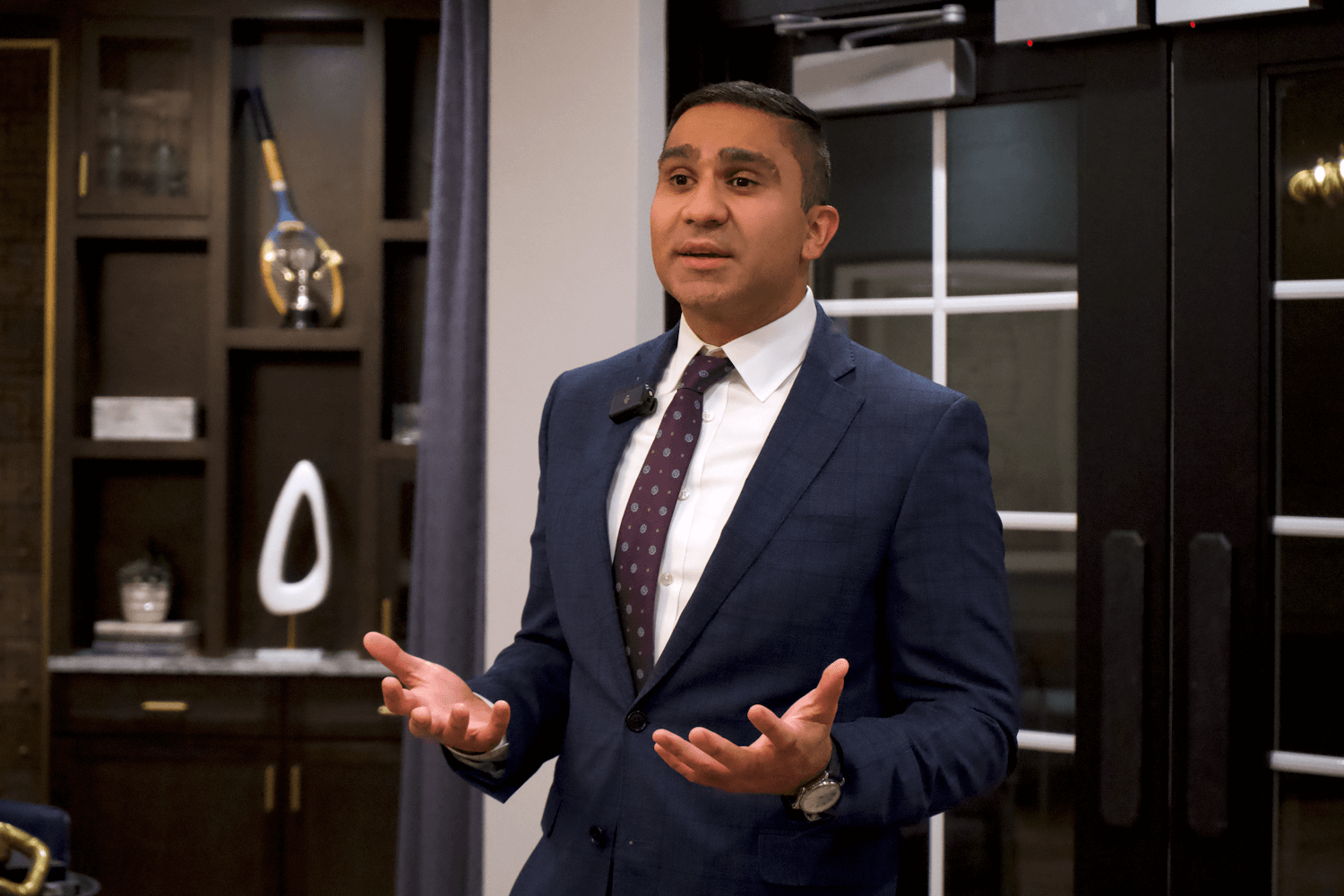
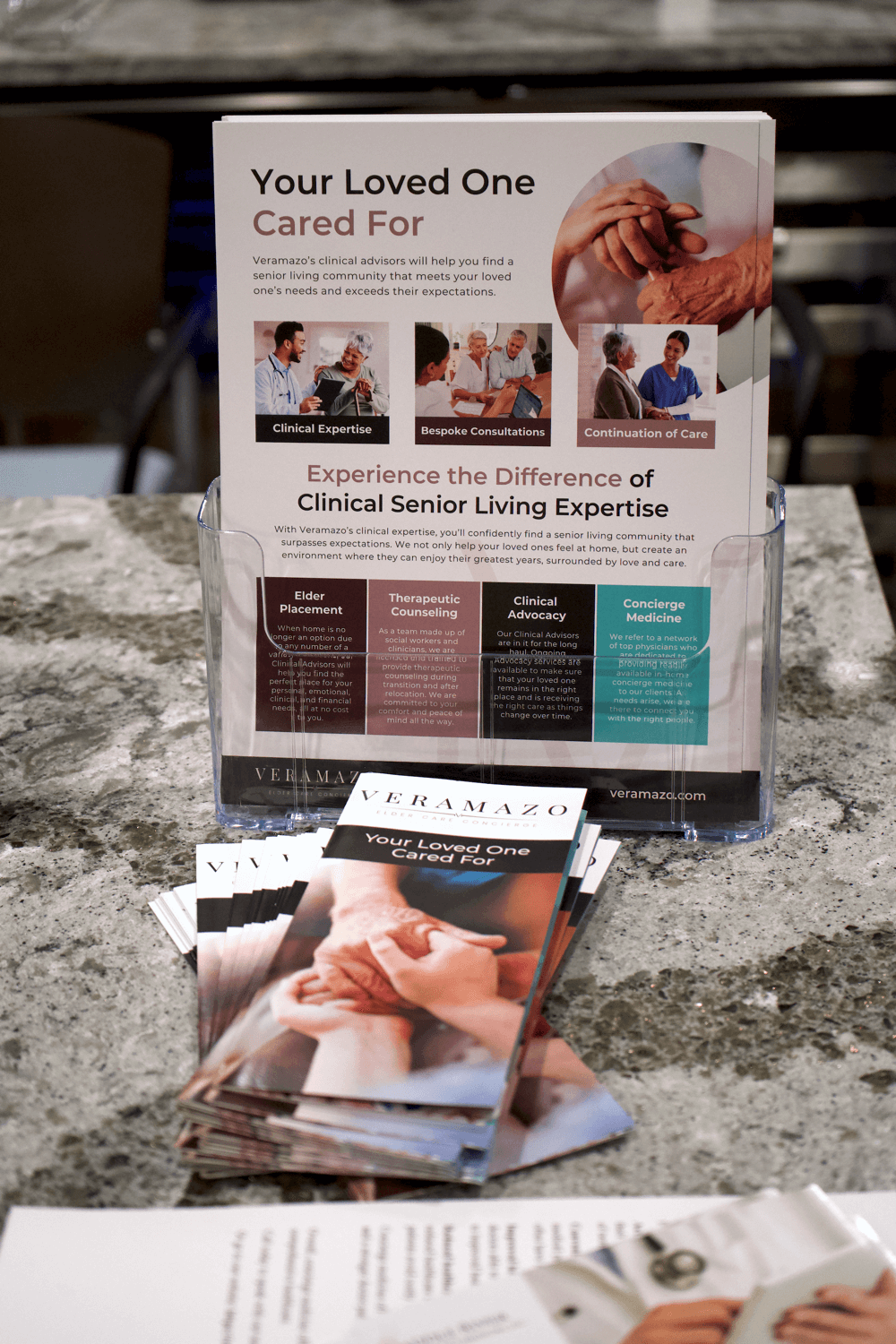
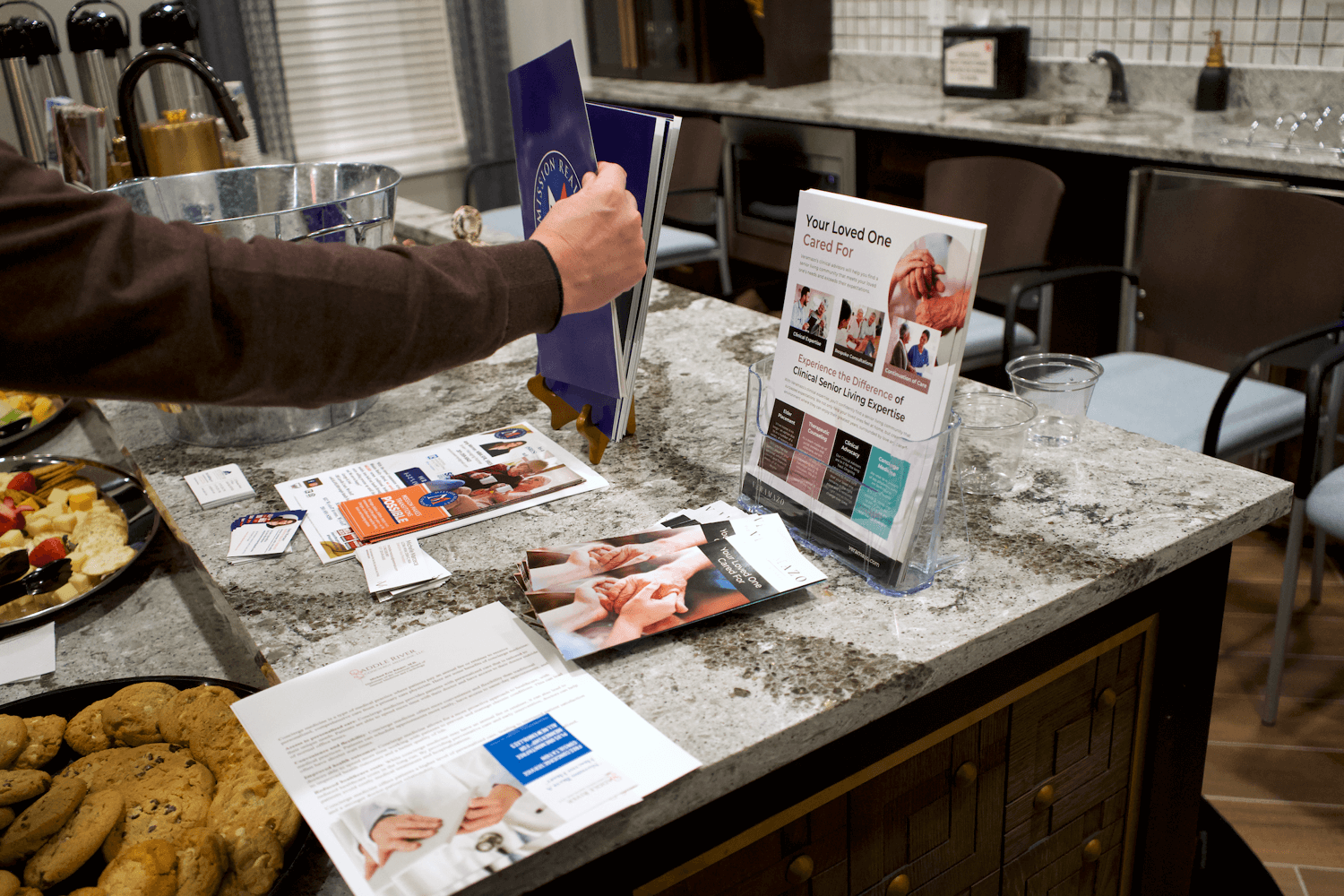
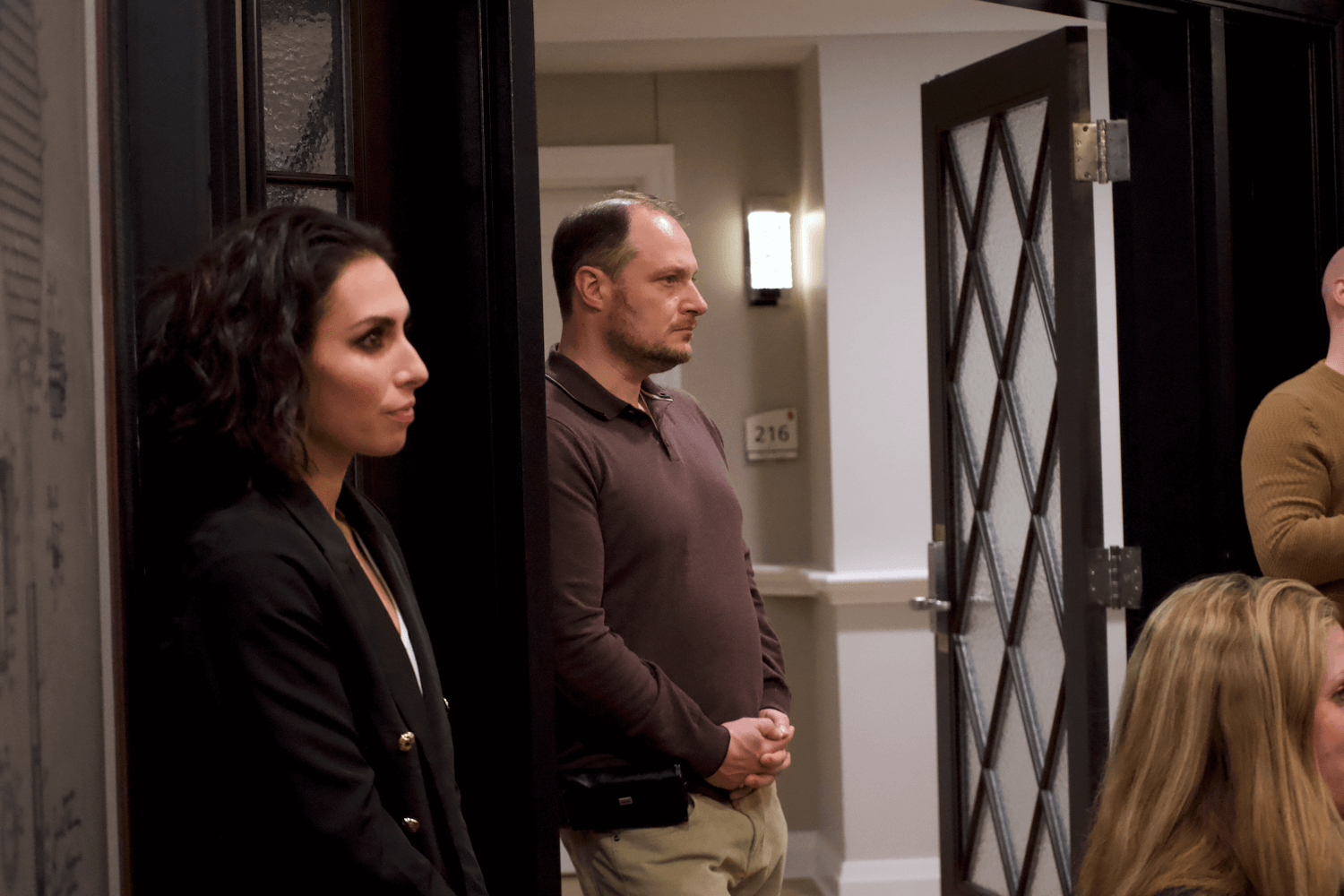
Veramazo recently hosted a panel discussion that brought together leaders in various fields, from concierge medicine to financial planning, to address the complexities of elder care.
The event, named “Empowering Elder Care,” was a resounding success, drawing a diverse and engaged audience from our community. Family members, their aging loved ones, and esteemed healthcare partners united for an evening of enlightenment and support.
Meet the Experts and Their Insights:
- Eric Goldberg, Elder Law Attorney: Eric highlighted the importance of legal guidance in navigating Medicaid processes. His insights brought clarity to families grappling with complex legal issues.
- Niraj Chhabra, Financial Advisor: Niraj discussed sustainable retirement income strategies, emphasizing the need for careful financial planning for a stress-free transition to senior living communities.
- Dr. Michael Kasper, Cardiologist and Concierge Physician: Dr. Kasper explored the evolving landscape of healthcare, focusing on personalized preventative care and the benefits of concierge medicine.
- Amy Werner, Senior Real Estate Broker: Amy shared her expertise on the emotional aspects of transitioning to new living arrangements, offering comfort and understanding to families.
- Matthew Werner, Director of Sales, The Chelsea at Washington Township: Matthew discussed the importance of creating a joy-filled home in senior living communities, aligning with Veramazo’s commitment to personalized care.
Our Mission and Future Plans
Veramazo Elder Care Concierge is more than a service—it’s a collaboration of expert disciplines working together seamlessly. Our mission is to provide quality support, guidance, and care, revolutionizing elder care in their golden years. The diversity of perspectives at our panel ensures holistic and individualized care for our community.
We’re already planning the next Elder Care Panel, promising more engaging discussions and expert insights. Stay tuned for these exciting events and join us in our commitment to enhancing community well-being.
Thank You!
A heartfelt thank you to everyone who attended, participated, and contributed to making this event impactful. Here’s to fostering happier and healthier golden years for all!














At Veramazo, we provide personalized and curated advisory services to ensure your loved ones feel at home in a community that meets their unique needs and treats them with the dignity they deserve.

Veramazo's Mission to Transform Senior Living
Veramazo's Mission to Transform Senior Living
For Seniors & Their Families
Why Veramazo Exists
In the intricate tapestry of life, the golden years should be a time of tranquility, comfort, and cherished moments. Our senior citizens are a wealth of wisdom, experience, and resilience, embodying the living history of our societies. Their contributions, spanning decades of hard work and accumulated knowledge, form the foundation upon which our communities and families thrive.
However, navigating the maze of senior living options can be overwhelming and emotionally taxing for families and individuals alike. Preserving the dignity and enjoyment of senior citizenship is where Veramazo steps in not merely as a senior living placement service but as a beacon of hope, compassion, and expertise.
Veramazo exists not simply to place elderly individuals in a senior living facility, but to offer a comprehensive suite of services that address the holistic needs of seniors and their families.
We work passionately and diligently on our mission by adhering to several pillars:
- Elder Placement – Beyond Walls, Finding Homes: Veramazo understands that a senior living community is more than just a place; it’s a home. Our team meticulously assesses each individual’s unique needs and preferences, ensuring a personalized match beyond physical amenities. Through a robust network of trusted communities, we strive to find the perfect home where seniors can thrive emotionally, socially, and physically.
- Nurturing the Soul with Therapeutic Counseling: Transitioning to senior living can be emotionally challenging for both seniors and their families. Veramazo provides therapeutic counseling services to offer emotional support during this pivotal time. Our compassionate counselors guide families through the process, addressing concerns, easing anxieties, and fostering a sense of understanding and acceptance.
- A Dependable Voice Providing Ongoing Advocacy: Veramazo doesn’t consider its job done once a placement is made. We become steadfast advocates, ensuring that the chosen senior living community continues to meet the evolving needs of our clients. Our team collaborates with the facility, offering ongoing support and advocacy to guarantee that every resident receives the care and attention they deserve.
- Elevating Healthcare Access with Concierge Medicine: Recognizing the importance of healthcare in the senior living equation, Veramazo goes beyond the norm by providing concierge medicine services. Our team of healthcare professionals ensures that residents receive personalized medical care, facilitating regular check-ups, monitoring health conditions, and coordinating with on-site healthcare providers to guarantee a seamless healthcare experience.
Filling a Critical Human-Centric Gap
The senior living market is vast, with numerous options available, ranging from independent living to skilled nursing facilities. However, the sheer diversity of choices can be paralyzing, leaving families unsure of where to turn. Veramazo bridges this gap by offering a one-stop solution that combines expert guidance, emotional support, and ongoing advocacy.
- We Understand the Diversity of Senior Living: Veramazo recognizes that each senior has unique needs and preferences. Our team is well-versed in the diverse spectrum of senior living options, including independent living, assisted living, memory care, and skilled nursing. This nuanced understanding allows us to tailor our services to match the specific requirements of each individual.
- We Provide Compassionate Navigation Through Options: The emotional toll of finding appropriate senior living cannot be understated. Veramazo is a compassionate guide, helping families navigate the sea of options with empathy and understanding. Our process is designed to alleviate the stress associated with such decisions, providing families the space to focus on the emotional well-being of their loved ones.
- We’re Advocates in the Face of Change: Senior living is a dynamic landscape, and residents’ needs evolve over time. Veramazo’s commitment extends beyond the initial placement. We stand by our clients, advocating for them and ensuring that the chosen community adapts to their changing needs, providing a continuum of care that is both responsive and compassionate.
The existence of Veramazo is one of compassion, expertise, and a profound commitment to improving the lives of seniors and their families. In the intricate world of senior living, where emotions run high, and decisions weigh heavy, Veramazo stands as a guiding light, offering a blend of heartwarming support and informative expertise.
Beyond the services we offer, we strive to be a knowledge hub for seniors and their families, committed to demystifying the senior living landscape through regularly publishing insightful blog articles. Our aim is to empower families and individuals with valuable information, fostering informed decisions and ensuring a seamless transition into the next chapter of life.
Veramazo exists not just for placing seniors; we’re helping to create homes where cherished moments continue to unfold and golden years are truly golden.
At Veramazo, we provide personalized and curated advisory services to ensure your loved ones feel at home in a community that meets their unique needs and treats them with the dignity they deserve.

How Do You Tell Your Parents They Need Assisted Living?
How Do You Tell Your Parents They Need Assisted Living?
Deciding that a loved one may need assisted living can be a challenging and emotional journey for families. It’s a delicate balance between respecting a person’s autonomy and ensuring their safety and well-being.
At Veramazo, we understand the complexities of navigating the transition to assisted living, and we’re here to guide you through this process.
In this blog post, we’ll discuss the signs that may indicate it’s time for assisted living, strategies for approaching the conversation with sensitivity, and how Veramazo’s comprehensive eldercare services can help address this crucial decision’s clinical, personal, and financial aspects.
Signs Your Loved One May Need Assisted Living
Recognizing the signs that a parent or elderly family member may need assisted living is the first step in providing them with the care and support they require. These signs may include:
- Difficulty with Activities of Daily Living (ADLs): If your loved one is struggling with tasks like bathing, dressing, or grooming, it may be an indicator that they need additional assistance.
- Safety Concerns: Frequent falls, unexplained bruises, or accidents around the house could suggest that living independently is becoming increasingly risky.
- Isolation and Loneliness: Social withdrawal, depression, or a sudden lack of interest in activities they once enjoyed may signal that they’re feeling isolated and in need of companionship.
- Forgetfulness and Cognitive Decline: Memory issues, confusion, or other cognitive decline may indicate a need for a more supportive environment where they can receive appropriate care.
- Declining Physical Health: Assisted living may provide the necessary support if your loved one faces chronic health conditions requiring regular monitoring or medical assistance.
Approaching the Conversation
Initiating a conversation about assisted living requires empathy, patience, and careful consideration of your loved one’s feelings. Here are some strategies to help guide this difficult discussion:
- Choose the Right Time and Setting: Find a quiet, comfortable setting where you can have an open and honest conversation without interruptions. Choose a time when everyone is calm and relaxed.
- Express Your Concerns: Begin the conversation by expressing your love and concern for their well-being. Use “I” statements to avoid sounding accusatory, such as “I have noticed…” or “I am worried about…”
- Listen Actively: Allow your loved one to share their feelings, fears, and preferences. Listen actively, acknowledging their perspective and validating their emotions.
- Highlight the Benefits: Emphasize the positive aspects of assisted living, such as increased safety, social opportunities, and access to professional care. Reassure them that it’s a decision made out of love and concern for their best interests.
- Involve Them in the Decision-Making Process: Whenever possible, involve your loved one in the decision-making process. Ask for their preferences regarding the type of assisted living facility, location, and amenities.
Veramazo recognizes that the decision to move a loved one to assisted living is multifaceted. Our comprehensive eldercare services go beyond merely finding the perfect senior community. We understand that clinical, personal, and financial considerations play a crucial role in this transition.
By choosing Veramazo, you’re not just finding a place for your loved one to live; you’re securing a comprehensive solution that addresses their clinical, personal, and financial needs, providing peace of mind for both the family and the individual transitioning to assisted living.
Conclusion
Telling your parents they need assisted living is undoubtedly a difficult conversation, but with sensitivity, open communication, and the support of Veramazo’s comprehensive eldercare services, the transition can be smoother and more manageable.
Remember that this decision is driven by love and a commitment to ensuring your loved one’s well-being and happiness. Veramazo is here to guide you through every step of the process, offering a compassionate and personalized approach to eldercare. Contact us today.
Embrace the journey with the knowledge that you are making a positive and caring choice for your loved one’s future.