



Helping a Loved One With Dementia Transition into Assisted Living
Helping a Loved One With Dementia Transition into Assisted Living
Previously, on the Veramazo blog, we discussed The Stages Of Dementia From A Caregiver’s Perspective, but what about from a loved one’s perspective? In this installment, we’ll help you gracefully transition your loved one with dementia out of your care and into a trusted assisted living location.
This article will help you by building the conversation through the following :
- Understanding what dementia is
- How to speak with a loved one who has dementia
- How to speak with a loved one with dementia about moving into assisted living
- How to help a loved one with dementia to move into assisted living
What is Dementia
Dementia is a syndrome characterized by a decline in cognitive function, impacting memory, thinking abilities, and the ability to perform daily activities. This condition is not a normal part of aging and is associated with various underlying causes. The most prevalent form of dementia is Alzheimer’s disease, responsible for a significant number of cases.
Individuals with dementia may experience symptoms such as memory loss, confusion, communication difficulties, impaired judgment, and challenges in performing routine tasks. While aging is a risk factor, dementia is not exclusive to the elderly. It can affect people of different ages, depending on the underlying cause.
In summary, dementia is a syndrome encompassing a range of cognitive impairments and is not synonymous with normal aging. Identifying the specific type of dementia allows for targeted approaches to care, emphasizing the importance of early diagnosis and comprehensive support.
Speaking to a Loved One With Dementia
When communicating with a loved one with dementia, understanding, and patience are crucial for fostering positive interaction. Here are some tips to help you enhance communication with your loved one:
- Maintain a calm demeanor: Approach conversations with a relaxed and composed attitude to create a comfortable environment.
- Use simple language: Opt for clear and straightforward sentences, avoiding complex or abstract language that may cause confusion.
- Establish eye contact: Maintain gentle eye contact to convey attentiveness and connection.
- Be a good listener: Give your loved one ample time to express themselves, and listen attentively without interrupting.
- Limit distractions: Choose quiet and comfortable settings, minimizing background noise or disruptions during conversations.
- Provide visual cues: Utilize gestures and visual aids to support verbal communication, aiding comprehension.
- Encourage one-on-one interactions: Foster a sense of focus and reduce distractions by engaging in individual conversations rather than group discussions.
By incorporating these strategies, you can create a more positive and meaningful connection with your loved one, enhancing the overall quality of your interactions and time together.
Now that you have some tools to help speak with your loved one, it’s time to address the need and value of assisted living.
Speaking to Your Loved One With Dementia About Assisted Living
Discussing the transition to assisted living with a loved one who has dementia can be challenging, but approaching the conversation with empathy and careful consideration can ease the process. Here are key tips to address potential difficulties:
- Choose an appropriate time: Timing is crucial; pick a moment when your loved one is calm and receptive to conversations.
- Emphasize safety and support: Highlight the benefits of professional care, emphasizing how it can enhance their safety and overall well-being.
- Be patient and understanding: Recognize their emotions and validate their concerns, acknowledging the difficulty of the decision.
- Involve them in the decision: Empower your loved one by including them in the decision-making process, considering their preferences and choices.
- Provide reassurance: Offer emotional support and assure them that your commitment to their care remains unwavering.
Approaching this very sensitive topic with compassion and involving your loved one in the decision-making can help navigate the conversation more smoothly, fostering a collaborative and supportive atmosphere during this challenging transition.
Helping Your Loved One With Dementia to Transition into Assisted Living
Transitioning a loved one with dementia into assisted living requires sensitivity and careful planning to ensure their comfort and well-being. Here’s are steps to make the process smoother for you and your loved one:
- Open honest communication: Discuss the move with transparency, addressing concerns and emphasizing the positive aspects of assisted living.
- Visit potential facilities together: Touring facilities as a family can help your loved one become familiar with the environment and make them feel more involved in the decision-making process.
- Personalize their space: Decorate their new living space with familiar belongings, creating a sense of continuity and comfort.
- Establish routines: Maintain familiar daily routines to provide a sense of stability during the transition.
- Engage in activities: Encourage participation in facility activities, promoting social interaction and mental stimulation.
- Stay connected: Visit regularly and maintain consistent communication, reinforcing the ongoing support and love from family.
By approaching the transition with empathy and involving your loved one in the process, assisted living can become a positive and enriching environment for individuals with dementia, ensuring both their comfort and peace of mind.
If embarking on this process feels overwhelming, Veramazo is here for support. Call us today or schedule a consultation.
At Veramazo, we provide personalized and curated advisory services to ensure your loved ones feel at home in a community that meets their unique needs and treats them with the dignity they deserve.

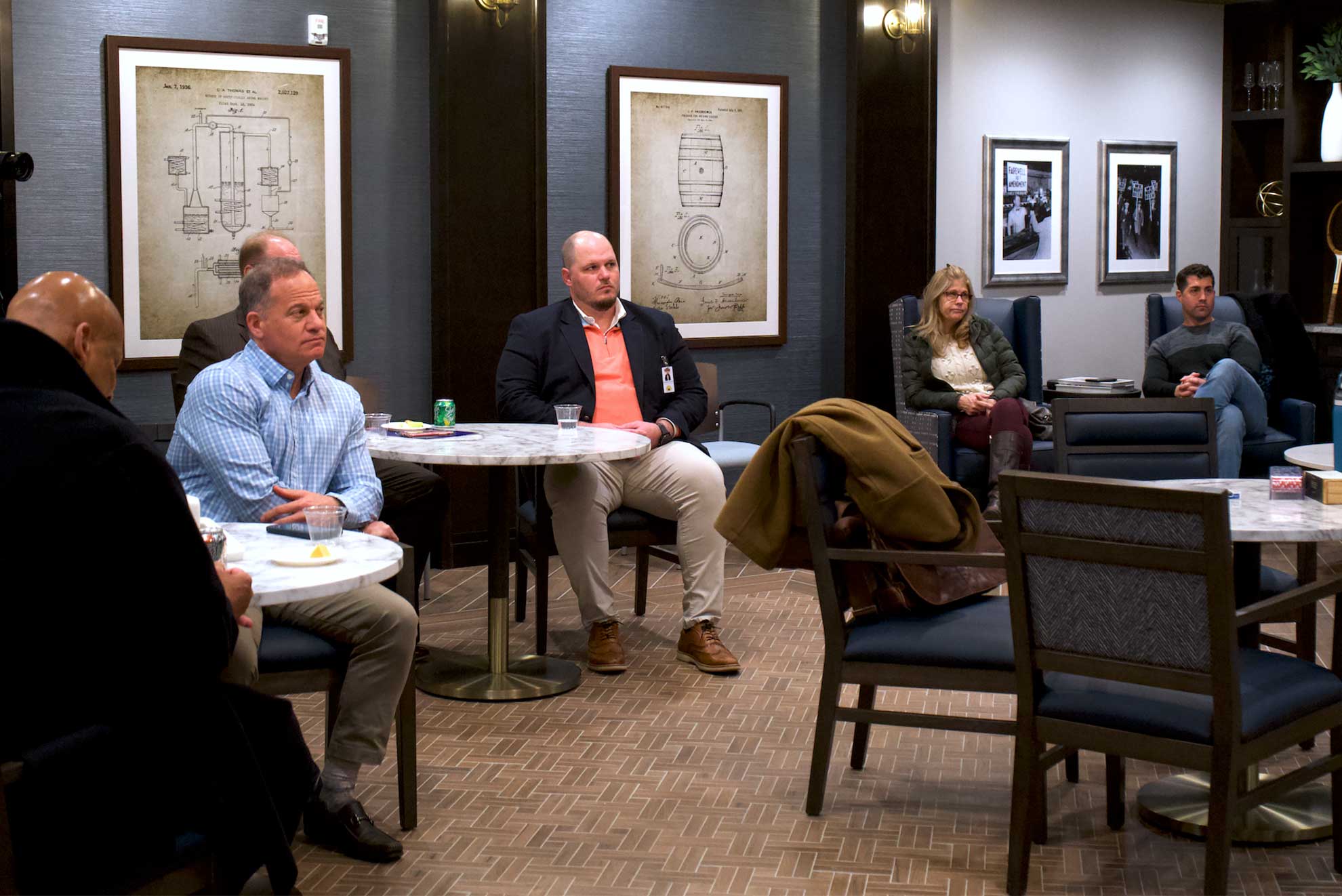
Empowering Elder Care: Veramazo's Panel of Industry Leaders
Empowering Elder Care: Veramazo's Panel of Industry Leaders
Veramazo recently hosted a panel discussion that brought together leaders in various fields, from concierge medicine to financial planning, to address the complexities of elder care.
The event, named “Empowering Elder Care,” was a resounding success, drawing a diverse and engaged audience from our community. Family members, their aging loved ones, and esteemed healthcare partners united for an evening of enlightenment and support.
Meet the Experts and Their Insights:
- Eric Goldberg, Elder Law Attorney: Eric highlighted the importance of legal guidance in navigating Medicaid processes. His insights brought clarity to families grappling with complex legal issues.
- Niraj Chhabra, Financial Advisor: Niraj discussed sustainable retirement income strategies, emphasizing the need for careful financial planning for a stress-free transition to senior living communities.
- Dr. Michael Kasper, Cardiologist and Concierge Physician: Dr. Kasper explored the evolving landscape of healthcare, focusing on personalized preventative care and the benefits of concierge medicine.
- Amy Werner, Senior Real Estate Broker: Amy shared her expertise on the emotional aspects of transitioning to new living arrangements, offering comfort and understanding to families.
- Matthew Werner, Director of Sales, The Chelsea at Washington Township: Matthew discussed the importance of creating a joy-filled home in senior living communities, aligning with Veramazo’s commitment to personalized care.
Our Mission and Future Plans
Veramazo Elder Care Concierge is more than a service—it’s a collaboration of expert disciplines working together seamlessly. Our mission is to provide quality support, guidance, and care, revolutionizing elder care in their golden years. The diversity of perspectives at our panel ensures holistic and individualized care for our community.
We’re already planning the next Elder Care Panel, promising more engaging discussions and expert insights. Stay tuned for these exciting events and join us in our commitment to enhancing community well-being.
Thank You!
A heartfelt thank you to everyone who attended, participated, and contributed to making this event impactful. Here’s to fostering happier and healthier golden years for all!


















At Veramazo, we provide personalized and curated advisory services to ensure your loved ones feel at home in a community that meets their unique needs and treats them with the dignity they deserve.

Veramazo's Mission to Transform Senior Living
Veramazo's Mission to Transform Senior Living
For Seniors & Their Families
Why Veramazo Exists
In the intricate tapestry of life, the golden years should be a time of tranquility, comfort, and cherished moments. Our senior citizens are a wealth of wisdom, experience, and resilience, embodying the living history of our societies. Their contributions, spanning decades of hard work and accumulated knowledge, form the foundation upon which our communities and families thrive.
However, navigating the maze of senior living options can be overwhelming and emotionally taxing for families and individuals alike. Preserving the dignity and enjoyment of senior citizenship is where Veramazo steps in not merely as a senior living placement service but as a beacon of hope, compassion, and expertise.
Veramazo exists not simply to place elderly individuals in a senior living facility, but to offer a comprehensive suite of services that address the holistic needs of seniors and their families.
We work passionately and diligently on our mission by adhering to several pillars:
- Guided Senior Transitions – Beyond Walls, Finding Homes: Veramazo understands that a senior living community is more than just a place; it’s a home. Our team meticulously assesses each individual’s unique needs and preferences, ensuring a personalized match beyond physical amenities. Through a robust network of trusted communities, we strive to find the perfect home where seniors can thrive emotionally, socially, and physically.
- Nurturing the Soul with Therapeutic Counseling: Transitioning to senior living can be emotionally challenging for both seniors and their families. Veramazo provides therapeutic counseling services to offer emotional support during this pivotal time. Our compassionate counselors guide families through the process, addressing concerns, easing anxieties, and fostering a sense of understanding and acceptance.
- A Dependable Voice Providing Ongoing Advocacy: Veramazo doesn’t consider its job done once a placement is made. We become steadfast advocates, ensuring that the chosen senior living community continues to meet the evolving needs of our clients. Our team collaborates with the facility, offering ongoing support and advocacy to guarantee that every resident receives the care and attention they deserve.
- Elevating Healthcare Access with Concierge Medicine: Recognizing the importance of healthcare in the senior living equation, Veramazo goes beyond the norm by providing concierge medicine services. Our team of healthcare professionals ensures that residents receive personalized medical care, facilitating regular check-ups, monitoring health conditions, and coordinating with on-site healthcare providers to guarantee a seamless healthcare experience.
Filling a Critical Human-Centric Gap
The senior living market is vast, with numerous options available, ranging from independent living to skilled nursing facilities. However, the sheer diversity of choices can be paralyzing, leaving families unsure of where to turn. Veramazo bridges this gap by offering a one-stop solution that combines expert guidance, emotional support, and ongoing advocacy.
- We Understand the Diversity of Senior Living: Veramazo recognizes that each senior has unique needs and preferences. Our team is well-versed in the diverse spectrum of senior living options, including independent living, assisted living, memory care, and skilled nursing. This nuanced understanding allows us to tailor our services to match the specific requirements of each individual.
- We Provide Compassionate Navigation Through Options: The emotional toll of finding appropriate senior living cannot be understated. Veramazo is a compassionate guide, helping families navigate the sea of options with empathy and understanding. Our process is designed to alleviate the stress associated with such decisions, providing families the space to focus on the emotional well-being of their loved ones.
- We’re Advocates in the Face of Change: Senior living is a dynamic landscape, and residents’ needs evolve over time. Veramazo’s commitment extends beyond the initial placement. We stand by our clients, advocating for them and ensuring that the chosen community adapts to their changing needs, providing a continuum of care that is both responsive and compassionate.
The existence of Veramazo is one of compassion, expertise, and a profound commitment to improving the lives of seniors and their families. In the intricate world of senior living, where emotions run high, and decisions weigh heavy, Veramazo stands as a guiding light, offering a blend of heartwarming support and informative expertise.
Beyond the services we offer, we strive to be a knowledge hub for seniors and their families, committed to demystifying the senior living landscape through regularly publishing insightful blog articles. Our aim is to empower families and individuals with valuable information, fostering informed decisions and ensuring a seamless transition into the next chapter of life.
Veramazo exists not just for placing seniors; we’re helping to create homes where cherished moments continue to unfold and golden years are truly golden.
At Veramazo, we provide personalized and curated advisory services to ensure your loved ones feel at home in a community that meets their unique needs and treats them with the dignity they deserve.

How Do You Tell Your Parents They Need Assisted Living?
How Do You Tell Your Parents They Need Assisted Living?
Deciding that a loved one may need assisted living can be a challenging and emotional journey for families. It’s a delicate balance between respecting a person’s autonomy and ensuring their safety and well-being.
At Veramazo, we understand the complexities of navigating the transition to assisted living, and we’re here to guide you through this process.
In this blog post, we’ll discuss the signs that may indicate it’s time for assisted living, strategies for approaching the conversation with sensitivity, and how Veramazo’s comprehensive eldercare services can help address this crucial decision’s clinical, personal, and financial aspects.
Signs Your Loved One May Need Assisted Living
Recognizing the signs that a parent or elderly family member may need assisted living is the first step in providing them with the care and support they require. These signs may include:
- Difficulty with Activities of Daily Living (ADLs): If your loved one is struggling with tasks like bathing, dressing, or grooming, it may be an indicator that they need additional assistance.
- Safety Concerns: Frequent falls, unexplained bruises, or accidents around the house could suggest that living independently is becoming increasingly risky.
- Isolation and Loneliness: Social withdrawal, depression, or a sudden lack of interest in activities they once enjoyed may signal that they’re feeling isolated and in need of companionship.
- Forgetfulness and Cognitive Decline: Memory issues, confusion, or other cognitive decline may indicate a need for a more supportive environment where they can receive appropriate care.
- Declining Physical Health: Assisted living may provide the necessary support if your loved one faces chronic health conditions requiring regular monitoring or medical assistance.
Approaching the Conversation
Initiating a conversation about assisted living requires empathy, patience, and careful consideration of your loved one’s feelings. Here are some strategies to help guide this difficult discussion:
- Choose the Right Time and Setting: Find a quiet, comfortable setting where you can have an open and honest conversation without interruptions. Choose a time when everyone is calm and relaxed.
- Express Your Concerns: Begin the conversation by expressing your love and concern for their well-being. Use “I” statements to avoid sounding accusatory, such as “I have noticed…” or “I am worried about…”
- Listen Actively: Allow your loved one to share their feelings, fears, and preferences. Listen actively, acknowledging their perspective and validating their emotions.
- Highlight the Benefits: Emphasize the positive aspects of assisted living, such as increased safety, social opportunities, and access to professional care. Reassure them that it’s a decision made out of love and concern for their best interests.
- Involve Them in the Decision-Making Process: Whenever possible, involve your loved one in the decision-making process. Ask for their preferences regarding the type of assisted living facility, location, and amenities.
Veramazo recognizes that the decision to move a loved one to assisted living is multifaceted. Our comprehensive eldercare services go beyond merely finding the perfect senior community. We understand that clinical, personal, and financial considerations play a crucial role in this transition.
By choosing Veramazo, you’re not just finding a place for your loved one to live; you’re securing a comprehensive solution that addresses their clinical, personal, and financial needs, providing peace of mind for both the family and the individual transitioning to assisted living.
Conclusion
Telling your parents they need assisted living is undoubtedly a difficult conversation, but with sensitivity, open communication, and the support of Veramazo’s comprehensive eldercare services, the transition can be smoother and more manageable.
Remember that this decision is driven by love and a commitment to ensuring your loved one’s well-being and happiness. Veramazo is here to guide you through every step of the process, offering a compassionate and personalized approach to eldercare. Contact us today.
Embrace the journey with the knowledge that you are making a positive and caring choice for your loved one’s future.
At Veramazo, we provide personalized and curated advisory services to ensure your loved ones feel at home in a community that meets their unique needs and treats them with the dignity they deserve.

Understanding The Stages Of Dementia From A Caregiver’s Perspective
Understanding The Stages Of Dementia From A Caregiver’s Perspective
Dementia is a challenging journey, not only for those living with the condition but also for their caregivers.
The progression of dementia can be heart-wrenching, and it becomes even more challenging as the holiday season approaches. In this blog post, we will explore the stages of dementia from a caregiver’s perspective, and we will offer quality solutions to help you and your loved one navigate the holiday season with compassion and understanding.
Dementia is not a single condition but a collection of symptoms associated with cognitive decline. It typically progresses through several stages, each marked by specific memory, behavior, and daily functioning changes. These stages may vary from person to person, but a general understanding can help caregivers adapt their care routines.
Early Stage Dementia: Mild Cognitive Impairment
- In the early stages of dementia, the person may exhibit minor memory lapses, forget names, or lose track of belongings.
- Caregivers might notice subtle changes but can usually continue their regular routines with minor adjustments.
Middle Stage Dementia: Mild to Moderate Impairment
- Memory loss and confusion become more apparent.
- Behavioral issues such as mood swings, agitation, or wandering may arise.
- Caregivers may need to provide more assistance with daily tasks like bathing and dressing.
Late Stage Dementia: Severe Impairment
- In the late stage, individuals often lose the ability to communicate and perform basic self-care tasks.
- Caregivers bear the primary responsibility for their loved one’s well-being.
Providing Care During the Holiday Season
Caregivers of individuals with dementia often find the holiday season especially challenging. The festive atmosphere can lead to heightened stress and emotions, both for the person with dementia and their caregiver. Here are some common challenges caregivers face during the holidays:
- Emotional Stress: Watching your loved one struggle can be emotionally draining, especially during family gatherings that highlight the changes in their condition.
- Social Isolation: Caregivers may feel isolated from the holiday cheer as their loved one’s condition makes it difficult to participate in traditional activities.
- Increased Care Demands: The holiday season can bring extra challenges, such as adapting to a disrupted routine or dealing with the sensory overload of decorations and gatherings.
Quality Solutions for Caregivers during the Holiday Season
- Set Realistic Expectations: Understand that the holidays may not be the same as they were before. Adjust your expectations and focus on creating moments of connection rather than trying to replicate past traditions.
- Simplify Celebrations: Choose to have smaller, more intimate gatherings with a limited number of guests. This can reduce stress for both you and your loved one.
- Plan Ahead: Structure the day with a clear schedule and provide your loved one with familiar and comforting activities.
- Engage in Meaningful Activities: Include your loved one in holiday preparations that are manageable for them, such as decorating the tree, baking cookies, or listening to familiar music.
- Ask for Help: Don’t be afraid to lean on friends and family for support. Share your concerns and delegate tasks to ease the caregiving load.
- Self-Care: Take time for self-care. Caregivers need to recharge to continue providing quality care. Reach out to support groups or professionals if needed.
- Practice Compassion: Remember that your loved one is not intentionally causing distress. Approach challenging situations with patience and empathy.
Understanding the stages of dementia from a caregiver’s perspective is essential for providing the best possible care, especially during the holiday season. By setting realistic expectations, simplifying celebrations, and focusing on meaningful activities, caregivers can create a compassionate and loving environment for their loved ones.
Remember, you are not alone on this journey, and seeking help and support is a sign of strength, not weakness. This holiday season, let love, understanding, and patience guide you in providing the best care for your loved one with dementia.