



How Employers Can Support Employees Caring for Aging Loved Ones
How Employers Can Support Employees Caring for Aging Loved Ones
When an employee is carrying a family care crisis, the right support can make all the difference.
An employee may not tell you that their father was discharged from the hospital yesterday. They may not mention the late-night calls with siblings, the questions about whether home is still safe, or the growing worry that their mother is becoming more forgetful.
They may simply seem distracted, tired, or less present than usual.
For many working adults, caring for an aging loved one begins quietly. Then, often without warning, it becomes a series of urgent decisions involving health, safety, family dynamics, and logistics. The employee is expected to keep up at work while trying to become the family’s researcher, coordinator, advocate, and decision-maker.
That is a difficult position for anyone to carry alone.
The challenge is bigger than time away from work
Leave policies are important, but time away from work does not answer the questions families face.
Who should they call after a hospitalization? What support might make home safer? How should they begin a conversation about senior living? What happens when family members disagree about the next step?
Employees often do not know where to begin. They search online, make calls during breaks, and hope they are not missing something important.
The result is emotional strain at home and a heavier mental load at work.

A more meaningful program
Employers cannot remove the difficulty of a loved one’s aging journey. They can give employees a trusted guide through it. The Veramazo Employee Assistance Program is a confidential elder care navigation benefit designed to support employees when an aging loved one needs more care, more coordination, or a clearer plan.
Eligible employees receive three months of Clinical Advocacy for each loved one. They can speak with a licensed clinician, understand their options, receive practical next steps, and have continued support as the situation changes. That may include guidance around hospitalizations, rehabilitation discharges, memory concerns, in-home support, safety planning, or a possible transition into senior living.
The goal is not to hand someone a generic list of resources. It is to give them an advocate who can help make sense of what is happening and what should come next.

Support that respects privacy
Family care situations are personal. Employees need to know they can ask for help without worrying that the details of their family’s circumstances will be shared at work.
That is why the Veramazo Employee Assistance Program is structured as a confidential benefit. The employee works directly with Veramazo. Employers receive only the aggregate reporting agreed upon for the program, not individual case details.
This gives HR teams a meaningful resource to offer while respecting the privacy and dignity of the people who use it.
A benefit employees will remember
The strongest workplace cultures are built in the moments that matter most.
When an employee feels that their employer recognizes the reality of what they are carrying, they are more likely to feel supported, respected, and able to move through a difficult season with greater confidence.
Veramazo helps employers offer that kind of support through personal clinical guidance, continued advocacy, and a plan that meets families where they are.
To learn more about offering the Veramazo Employee Assistance Program at your organization, speak with a Veramazo Advisor.


What to Do in the First 48–72 Hours of an Elder Care Crisis
What to Do in the First 48–72 Hours of an Elder Care Crisis
The call comes when you least expect it.
Maybe it’s the hospital saying your father was admitted overnight. Maybe it’s a rehab facility telling you his insurance coverage runs out at the end of the week. Maybe it’s your mother’s neighbor, calling to let you know she found her outside in the cold, confused about where she was.
Whatever the moment looks like, you know the feeling. The ground shifts and your mind races, and somewhere underneath the fear, there’s a voice asking: what am I supposed to do right now?
This is the part nobody prepares you for. The immediate, practical, overwhelming question of what the next step actually is when something goes wrong and the clock is already running.
The first thing to know: you don't have to have all the answers.
One of the most common things families say in these moments is that they felt completely alone in the decision-making. Not because people weren’t around. Siblings, spouses, family friends all had opinions. But nobody in the room actually knew what they were talking about. Everyone was guessing. Everyone was scared. And the hospital or the rehab facility or the social worker on the other end of the phone was speaking a language that felt foreign and moving faster than felt reasonable.
That pressure to make a major decision quickly, without the right information, without clinical knowledge, and without any real understanding of what the options actually mean. That’s the crisis inside the crisis.
The good news is that there are things you can do right now, in those first 48 to 72 hours, that can change the entire trajectory of what happens next.
Step 1:
Slow down just enough to identify the real decision
When something goes wrong with an aging loved one, the natural instinct is to react. To say yes to whatever the hospital recommends. To agree to the discharge plan before you’ve had a chance to understand it. To defer to whoever seems most confident, even if their confidence isn’t backed by knowledge.
Before you do anything else, take a breath and ask one question: what is the actual decision that needs to be made right now?
Not in the next month, right now.
Is it where your parent goes after discharge? Is it whether the current plan is safe? Is it who should be making decisions if your parent can no longer make them? Getting clear on the specific decision in front of you, and separating it from all the decisions that don’t need to be made yet, is the single most useful thing you can do in the first hour.
Step 2:
Don't accept the first plan without asking questions
Hospitals are designed to discharge patients. That is not a criticism, it’s a structural reality. Discharge planners are working against real timelines, real bed shortages, and real insurance constraints. Their job is to move people out safely. Your job is to make sure that what they define as “safe” actually matches your parent’s needs and your family’s capacity.
Some questions worth asking before you agree to any discharge plan:
- What level of care is being recommended, and why?
- What does my parent's physical therapist or occupational therapist say about their functional ability right now?
- What would need to be in place at home for this discharge to be safe?
- What happens if those things aren't in place?
- Is there a clinical reason this decision has to be made today, or is this a scheduling and logistics pressure?
You are allowed to ask these questions, and if the answers you’re getting feel incomplete or rushed, that’s important information.
Step 3:
Get the clinical picture in writing
One of the most valuable things you can do in the first 48 hours is request the documentation.
- Discharge summary
- Medication list
- PT and OT notes
- Any recent labs or imaging
You don’t need to understand all of it, but having it means that whoever helps you navigate the next step won’t be starting from scratch.
If a facility is resistant to sharing records, know that you have a right to that information. A signed authorization is typically all that’s needed to get things moving.
Step 4:
Get the family aligned before the decision is made
Elder care crises have a way of surfacing every unresolved tension in a family. Siblings who haven’t spoken in years are suddenly in the same room, or on the same group text, trying to agree on something none of them are equipped to decide. Someone is in denial. Someone is guilt-ridden. Someone lives two states away and has opinions that feel disconnected from the reality on the ground.
Before a decision gets made, someone needs to take the role of point person. One person communicates with the medical team. One person communicates with the facility. One person signs things. This doesn’t mean other family members don’t matter. It means the chaos gets a center of gravity.
If you can’t get there naturally, it sometimes helps to have someone outside the family facilitate that conversation. A clinical advocate, a social worker, or someone with no stake in the family dynamic can often help people move from reactive to align faster than the family can do on its own.
Step 5:
Know when you need a professional in your corner
There is a version of this that families can navigate on their own. And there is a version where the decisions are complex enough, the timeline is tight enough, or the family dynamics are difficult enough that trying to do it alone is going to cost you. In time, in money, in outcome, and in your own wellbeing.
Some signs that you need clinical support:
- The discharge plan feels unsafe but you don't have the clinical language to push back effectively
- You're being pressured to make a placement decision faster than feels reasonable
- Your parent has multiple diagnoses and you're not sure which type of care is appropriate
- Family members are in conflict and decisions are stalling
- You're out of state and trying to manage this remotely
- You've never been through anything like this before and you don't know what you don't know
A good clinical advocate doesn’t replace your judgment, they inform it. They know the system and know what questions to ask, what to push back on, and what a realistic outcome looks like given the specific clinical picture. They can join care conferences, coordinate with the medical team, help you map your options in plain language, and give you something in writing when it’s over so you’re not just holding a pile of verbal information and hoping you remembered it correctly.
What the next 48–72 hours can look like when you have support
When Veramazo’s Rapid Response Advocacy service is activated, here’s what actually happens inside that window.
- The first call is about triage. Understanding the situation, identifying the real deadline, confirming the key decision-makers, and making sure Rapid Response is actually the right fit. If it is, we get to work the same day.
- We review whatever clinical documentation is available. We make contact with the hospital or rehab team directly, with your authorization. We ask the questions you don't know to ask. We participate in the care conference so you're not walking into that room alone. We help your family get aligned on one plan with clear roles and next steps.
- And before we close out, you have something in writing. A Crisis Action Plan that tells you where things stand, what the risks are, what your options are, and what needs to happen in the next day, the next week, and the next month. Not vague reassurance. A real document you can act on.
The thing nobody tells you
There is a version of this that ends with your elder loved one in the right place, with the right level of care, with a plan that actually makes sense for who they are and not just what their diagnosis says.
It doesn’t happen by accident. It happens when someone slows the process down just enough to ask the right questions, advocate clearly, and help a family make a decision they can feel good about.
You don’t have to figure this out alone, and you don’t have to figure it out in the next twenty minutes.
If your family is in a situation that feels like it can’t wait, reach out to us. That’s exactly what we’re here for.
Veramazo's Rapid Response Advocacy service is designed for urgent elder care decisions including hospital discharges, sudden decline, and placement decisions under pressure.

National Healthcare Decisions Day: A Starting Point for Every Stage of Planning
National Healthcare Decisions Day: A Starting Point for Every Stage of Planning
A Guide for National Healthcare Decisions Day, April 16
Every April 16, National Healthcare Decisions Day serves as a national call to action: have the conversations you’ve been putting off. Put the documents in place. Make sure the people who love you know what you want. It sounds simple. For most families, it is anything but.
At Veramazo, we work with families across New Jersey every day who are navigating these decisions, sometimes with plenty of time to plan, and sometimes in the middle of a crisis. What we’ve learned is that no two families start from the same place. Some have barely had the first conversation. Others have a binder full of documents but no idea what to do next. Most fall somewhere in between.
This guide is designed to meet you where you are. Whether you’re just getting started or looking to make sure everything is truly in order, here is what we recommend.
If You Haven't Started Yet
First: you’re not alone, and you’re not behind. Most families haven’t formally addressed advance care planning. The discomfort is real. The subject touches on mortality, on loss of independence, on family dynamics that are often complicated. Avoiding it is human. But the cost of not having a plan, when a health event forces decisions in real time, is enormous.
Start with a conversation, not a checklist.
Before any documents, before any research, the most important first step is simply asking your aging parent or loved one what matters to them. Where do they want to live as they get older? What does a good quality of life look like for them? What are their fears? You don’t need to solve anything in the first conversation. You just need to open the door.
Learn the foundational documents.
Three documents form the core of any advance care plan:
- A healthcare proxy (or durable power of attorney for healthcare) designates someone to make medical decisions if your loved one cannot speak for themselves.
- A living will or advance directive outlines their wishes for end-of-life care, including what interventions they do or do not want.
- A POLST (Physician Orders for Life-Sustaining Treatment) translates those wishes into actionable medical orders that follow your loved one from setting to setting.
These aren’t depressing documents. They are empowering ones. Having them in place means your loved one’s voice is heard, no matter what happens.
If You've Had the Conversations but Nothing Is on Paper
This is one of the most common places families find themselves. The conversations have happened. Everyone has a general sense of what Mom or Dad wants. But nothing is formalized, and if something happened tomorrow, there would be no legal framework to support those wishes.
Get the documents signed.
An elder law attorney can help you formalize an advance directive, healthcare proxy, and any relevant estate planning documents. In New Jersey, these documents have specific requirements to be legally valid, and having an attorney walk you through them ensures nothing is missed.
Understand the full continuum of care.
Most families don’t realize how many care options exist between “living at home” and “a nursing home.” There are in-home care services, independent living communities, assisted living facilities, memory care units, and continuing care retirement communities, each suited to different levels of need. Understanding the landscape now means you won’t be making rushed decisions during a health crisis.
Start exploring before you need to.
Even if a move feels years away, visiting a few senior living communities now is one of the most valuable things a family can do. It removes the fear of the unknown, gives you a baseline for comparison, and helps your family align on what feels right before any urgency is involved.
If Your Plan Is in Place but Needs a Refresh
You have the documents. You’ve done the research. Your family has talked through the hard things. That’s real work, and it matters. But advance care planning isn’t a one-time event. It’s an ongoing conversation.
Make sure the right people have access.
Your loved one’s advance directive and healthcare proxy should be on file with their primary care physician, any specialists they see regularly, and in a place the family can access quickly in an emergency. A document that exists but cannot be found in a crisis provides little protection.
Revisit annually.
Healthcare wishes can change after a diagnosis, a change in living situation, or simply as someone ages and their priorities shift. National Healthcare Decisions Day is a natural prompt to sit down once a year and ask: is this plan still right for us?
Plan for what comes next.
Even well-prepared families sometimes find that the care arrangement they planned for is no longer the right fit. Needs evolve. Communities change. Having an advisor who knows the local landscape means you’re never starting from scratch when something shifts.
Where Veramazo Fits In
We are an elder care advisory and senior living guided transition services based in New Jersey, and our role is to help families navigate all of this with clarity. We’re not a nursing home. We’re not a law firm. We’re the people who help you understand what options exist, which questions to ask, and which professionals to call, so that when a decision needs to be made, you’re not figuring it out alone.
Whether you’re at the very beginning of this process or looking for a second opinion on a plan that’s already in place, we’re here for that conversation.
This National Healthcare Decisions Day, we’d like to invite you to reach out. There is no wrong place to start.

Walking This Journey Personally: A Letter About Dementia, Love, and Caregiving from One of Our Founders, Michelle Marceca
Walking This Journey Personally: A Letter About Dementia, Love, and Caregiving from One of Our Founders, Michelle Marceca
This is an open letter from our Executive Vice President, Michelle Marceca — written directly to caregivers, from someone who has lived it herself. Michelle wanted to share a personal piece of her story, and we think it deserves to be received exactly as it was written: with honesty, heart, and an incredible moment of vulnerability. We hope it finds you wherever you are on this journey.
Dementia is more than a diagnosis. It is a deeply personal journey that affects entire families emotionally, physically, and spiritually. As a licensed social worker and a founder of Veramazo Elder Care Concierge, I have guided countless families through the complexities of memory loss, caregiving, long-term care decisions, and the healthcare system.
But this year, dementia is not only something I support families through professionally. It is something I am living. This is a letter about my grandmother. It is a letter about love. And it is a letter for every daughter, son, and family member walking this road.
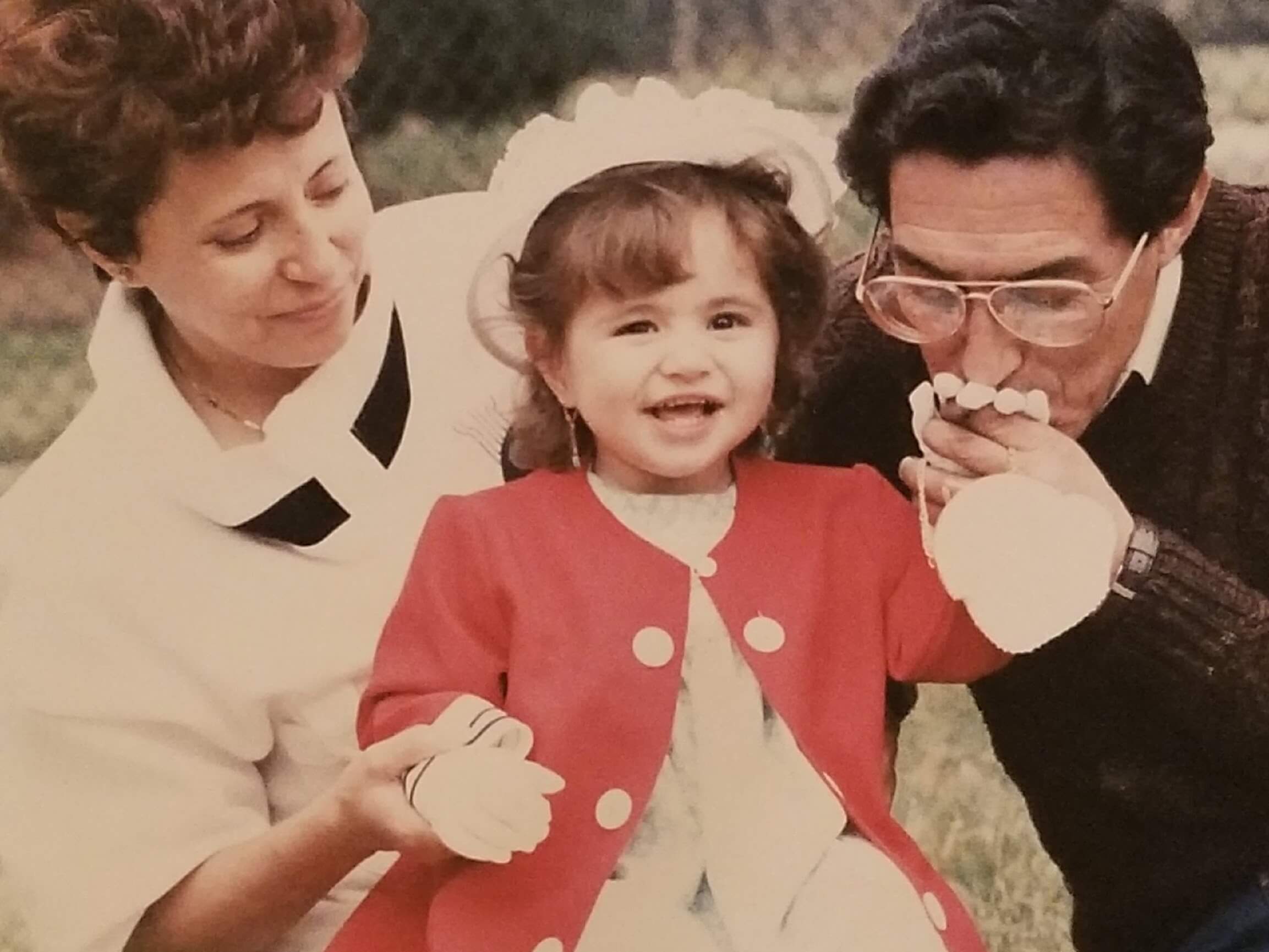
Her name is Martha.
She was born in 1940 in Ecuador. She is strong, elegant, fiercely tenacious, and deeply devoted to God and family. When she was just two years old, she lost her father and was raised by her mother, Carmela, who was a hardworking, resilient woman who modeled endurance and faith.
When my mother was eight years old, my grandmother went to the U.S. Embassy in Ecuador and did everything by the book to bring her family to the United States legally. She was determined to give her children opportunity, safety, and a future she herself did not have.
Once here, she worked in three different garment factories as a seamstress. Long hours. Exhausting days. She was the primary financial provider. She carried her children. She carried her household. She carried responsibilities that would have broken many people.
She was fierce. She was disciplined. She was protective. She loved through sacrifice. And now, she has dementia.
The reality of watching someone you love change hurts. Over the past year, she asks the same question within minutes. She sometimes says she is in Long Island when we are sitting in New Jersey. When we gently remind her where she is, she smiles and says, “Oh yes, I was there last week.”
Time folds in on itself for her now. And what breaks my heart most are the conversations I miss. I miss watching a movie with her and discussing it afterward. I miss her absorbing the details. I miss the sharpness of her thoughts. I miss the back-and-forth exchange that once flowed so easily. I miss her cooking. I miss watching her cook and I regret not recording her cook and tell me recipes.
There is no polished way to describe this disease. It is heartbreaking. It is exhausting. Some days, it feels profoundly unfair.

To the daughter, son, and family member who is caring for a parent with dementia: What you are feeling is normal, even the feelings that make you feel guilty.
Loving someone with dementia is one of the most emotionally complicated experiences a person can endure. It is grief and love existing simultaneously. It is responsibility and heartbreak intertwined.
You are doing better than you think you are. Your presence matters more than perfect words. Your patience matters more than perfect decisions. Your love matters more than perfect caregiving.
There is something dementia cannot erase. Memory is complicated. Dementia changes how the brain stores and retrieves information. Names fade. Dates disappear. Stories repeat. But something often remains long after factual memory declines. Emotion.
They may not remember the details. But they can still feel that they are not alone. And that feeling reaches deeper than memory ever could. The exhaustion you don’t always talk about is real. Caregiver exhaustion is real. This is ambiguous loss, grieving someone who is still physically here. You may feel tired in a way that sleep does not fix. You may feel emotionally raw. None of that means you are failing.
Dementia caregiving is not a sprint. It is a long, unpredictable road. And no one should walk it alone.
This year, National Social Work Month feels different. For almost 18 years, I have stood beside families as their guide. This year, I am also standing in their shoes. National Social Work Month reminds me why this profession exists. It exists because families need advocates. It exists because compassion and dignity matter deeply in healthcare. Because I am not only the professional guiding families through dementia.
I am one of them.
–Michelle Marceca
A Promise From My Heart
When families reach out to Veramazo, they are reaching people who understand.
I promise that we will treat every family with the same compassion, honesty, and advocacy that I would want for my own grandmother.
We will listen carefully. We will guide you thoughtfully. We will help you make informed decisions with clarity and dignity. And most importantly, we will walk beside you.
Supporting families through these moments is not just my profession. It is deeply personal. Dementia may alter memory. But it does not erase a life well lived. And it does not diminish the love that remains.

How to Know When It’s Time for Assisted Living: 7 Signs Families Shouldn’t Ignore
How to Know When It’s Time for Assisted Living: 7 Signs Families Shouldn’t Ignore
One of the most common questions we hear as nurses and clinical advocates is this:
“How do I know when it’s really time?”
Families rarely call at the first sign of change. More often, they reach out after months, sometimes years, of gradual decline. A fall. A medication mistake. Increasing isolation. A hospital stay that changes everything.
The decision to consider assisted living is not about convenience. It is about safety, dignity, and quality of life. And it should be made thoughtfully, not reactively.
Here are seven signs we encourage families to carefully consider.
1. Frequent Falls or Mobility Issues
A single fall may be an accident, but repeated falls are usually a warning.
As we age, balance, strength, and reaction time change. Even a minor fall can lead to serious complications. If your loved one is falling, struggling to get up, or avoiding stairs or certain rooms, that is not just a sign of aging. It is a risk.
Assisted living environments are designed with mobility and safety in mind, from grab bars to on-site support. The goal is prevention, not crisis response.
2. Medication Confusion
Managing multiple prescriptions is complex. We often see pillboxes filled incorrectly, doses skipped, or medications taken twice.
Medication errors can lead to hospitalization, cognitive changes, and serious health consequences. If you notice confusion around prescriptions or missed refills, it is time to evaluate whether more structured support is needed.
3. Noticeable Weight Loss or Poor Nutrition
Opening the refrigerator can tell you a lot.
Expired food. Empty shelves. Frozen meals untouched. Significant weight loss. These are often signs that grocery shopping, cooking, or even remembering to eat has become overwhelming.
Nutrition plays a direct role in immune health, energy levels, and cognitive stability. When meals become inconsistent, overall health declines quickly.
4. Declining Personal Hygiene
Changes in bathing, laundry, or clothing can signal physical or cognitive challenges.
This is often not about appearance; it is about ability. When daily routines become difficult, it often means that executive functioning or stamina is decreasing.
These changes can be subtle at first, but they are important indicators.
5. Increased Isolation
Winter months often highlight this issue, but isolation can happen year-round.
If your loved one is no longer attending social gatherings, answering calls, or leaving the house, loneliness may be affecting both mental and physical health. Isolation increases the risk of depression, cognitive decline, and even mortality.
Assisted living communities are not simply housing. They provide structure, activity, and daily human connection.
6. Caregiver Burnout
Sometimes the clearest sign is not with your parent. It is with you.
If you are exhausted, missing work, feeling resentful, or living in constant anxiety about the next emergency, that is not sustainable. Caregiver stress can impact your health and your relationship with your loved one.
Support is not a failure. It is often the most responsible decision a family can make.
7. A Recent Hospitalization
Hospital stays frequently mark a turning point.
After a fall, infection, or medical event, many older adults do not return to their previous baseline. If discharge planning feels rushed or unrealistic, it is critical to reassess whether the current living situation can truly support recovery.
Transitions made in a calm, planned manner are always better than decisions made in the middle of a crisis.
The Real Question Behind the Question
Families often ask whether it is “time for assisted living.” What they are really asking is:
Is my loved one safe?
Are they thriving?
Can we continue like this?
There is no single checklist that makes the decision for you. Every medical history, personality, and family dynamic is different. That is why having a clinically trained advocate involved can change the entire experience.
As providers with real clinical experience, we look beyond the surface. At Veramazo, we assess mobility, medication management, cognition, emotional well-being, and family capacity. We ask questions families may not know to ask, and help you understand the difference between what feels uncomfortable and what is truly unsafe.
And most importantly, we help ensure that any transition is done with dignity, clarity, and ongoing support.
Because this decision is not just about moving, it is about protecting the quality of life.
If you are noticing some of these signs and are unsure what they mean, you do not have to interpret them alone. A thoughtful conversation can bring clarity and help you understand what the next right step may be for your family.

Why January Becomes the Month Families Seek Support for Aging Parents
Why January Becomes the Month Families Seek Support for Aging Parents
Every year, January stands out as a turning point for families navigating care for aging parents.
While concerns may surface throughout the year, January is often when those concerns become impossible to ignore. After the holidays pass and daily routines return, families finally have the time and emotional space to reflect on what they observed. What begins as a quiet worry often turns into a clear realization that additional support may be needed.
From an elder care advocacy perspective, this seasonal pattern is not accidental. January brings together emotional, practical, and logistical factors that naturally push families toward action.
The Holidays Create Visibility Into an Aging Parent’s Daily Life
Extended family time often reveals changes that are easy to miss during brief visits or phone calls.
Adult children may notice increased forgetfulness, difficulty with mobility, confusion around medications, changes in mood, or signs that the home environment is becoming harder to manage. These are not always dramatic moments. More often, they are subtle shifts that signal a parent may need additional support to remain safe and well.
During the holidays, families tend to minimize these observations. The focus is on togetherness and maintaining normalcy. Difficult conversations are postponed. Concerns are quietly noted and set aside.
January removes that buffer.

Why January Brings Clarity Around Elder Care Decisions
When the calendar turns, families slow down.
January provides distance from the emotional intensity of the holidays. That distance allows concerns about aging parents to be viewed more objectively. What felt like isolated incidents in December often look like patterns in January.
Families begin asking practical questions. Is this sustainable? Are we prepared if something changes suddenly? What support systems are actually in place?
From a clinical advocacy standpoint, this is a critical moment. Clarity opens the door to informed planning rather than reactive decision-making.
Caregiver Fatigue Often Surfaces After the Holidays
Another major factor that drives families to seek support in January is caregiver fatigue.
Many adult children spend the holidays quietly stepping into caregiving roles without realizing it. They manage transportation, meals, medications, appointments, and family dynamics, often while balancing their own work and home responsibilities.
Once the holidays end, the emotional and physical toll becomes clear. January is when many caregivers acknowledge they cannot continue at the same pace without support.
Recognizing this need is not a failure. It is an important step toward protecting both the aging parent and the family caregiver.
January Is a Practical Time to Explore Aging Care Options
Beyond emotional readiness, January also offers practical advantages for families seeking elder care guidance.
Medical offices reopen fully. Insurance benefits reset. Physicians have availability for follow-up appointments. Families can make calls, schedule consultations, and gather information during regular business hours.
This makes January an ideal time to engage with professionals who specialize in aging, clinical advocacy, and care transitions. It allows families to move forward thoughtfully rather than under pressure.
A Triggering Event
Often Precedes the Search for Help
For many families, January follows a specific moment that raises concern.
A fall. A hospitalization. A missed medication. A conflict between siblings about care responsibilities. These events tend to occur or come to light during the holidays and linger into the new year.
Families often describe feeling stuck between not wanting to overreact and knowing they cannot ignore what happened. This uncertainty is one of the most common reasons families seek guidance.
Clinical advocacy exists to help families navigate exactly this space.

Why Advocacy Is Essential in Aging Parent Care Planning
One of the biggest misconceptions in elder care is that seeking support means making an immediate placement or major change.
In reality, effective aging care planning begins with understanding, not decisions.
At Veramazo, we approach January conversations by evaluating the full picture. Physical health, cognitive changes, emotional well-being, family dynamics, living environment, and future risk factors are all considered. This comprehensive perspective allows families to understand what support is appropriate now and what may be needed later.
Advocacy replaces guesswork with informed guidance.
January Allows Families to Plan Instead of React
Families who seek support in January are often more grounded and prepared than those who wait until a crisis occurs.
Conversations are calmer. Goals are clearer. There is space to involve aging parents in the discussion in a respectful way. Planning becomes proactive rather than reactive.
From an expert standpoint, this is one of the most valuable aspects of January engagement. It sets the tone for the entire year and reduces the likelihood of rushed decisions later.
Starting the Conversation Early Creates Peace of Mind
January does not require immediate change. It requires an honest assessment.
If the holidays left you feeling uneasy about an aging parent’s safety, health, or independence, that feeling is worth exploring. Early conversations allow families to gain clarity, understand available options, and build a plan that evolves over time.
Choosing guidance at the start of the year is often the difference between feeling overwhelmed and feeling supported.
Veramazo serves as a clinical advocate and trusted guide for families navigating aging parent care. If you are ready to talk through what you observed, what concerns you, and what steps make sense next, our team is here to walk beside you with experience, clarity, and compassion.

Winter Safety for Aging Parents
Winter Safety for Aging Parents
Small Steps That Prevent Big Emergencies
Winter has a way of revealing every little gap in a safety plan. Ice on the walkway, a missed medication refill, a heat source that isn’t working the way it used to. For aging adults, these small slip-ups turn into major emergencies faster than most families expect. And for adult children who are already stretched thin, the colder months can shift from a season of holidays into a season of constant worry.
If you’re feeling that tension, you’re not imagining it. Winter brings real challenges for older adults, especially those who already struggle with mobility, balance, chronic conditions, or cognitive decline. The good news is that thoughtful preparation now can prevent the bigger scares later. This is where families often need a steady hand, someone who can help them see what’s coming and guide them through the choices that keep their loved one safe.
Why Winter Raises the Risk
Cold weather works against aging adults in a few ways. Slower reaction times make icy surfaces more dangerous. Dehydration becomes more common when people drink less water in cold weather. The early sunset increases confusion for those living with memory loss or sundowning. Even something as simple as getting mail or taking the trash out becomes riskier when the temperature drops and sidewalks freeze.
For many families, this is the time of year when they start noticing things they missed before. A parent who looks more unsteady than they remembered. A home that isn’t set up for winter hazards. A medication routine that becomes harder to manage during holiday travel. These moments should never be ignored, because they are often the earliest signs that a new level of support is needed.

The Small Steps That Make a Real Difference
The best winter safety plans are practical and personal. They look at your parent’s day and eliminate the small risks that can snowball into emergencies. Families often start with simple upgrades like non-slip mats, stronger lighting, grab bars in the bathroom, and clear pathways around the home. A medication check can prevent missed doses when storms or holiday schedules throw off routines. A heating system inspection can avoid dangerous indoor temperatures or carbon monoxide issues.
Transportation is another major piece. Winter roads are hard enough for confident drivers, let alone someone managing slower reflexes or vision changes. Many families use this season to reassess whether their loved one should continue driving or if it’s time to explore safer alternatives.
These steps don’t have to be overwhelming. What matters is having someone who knows what to look for and how to build a plan that supports both safety and dignity.
When Winter Safety Reveals a Larger Story
Sometimes the preparation uncovers something deeper. A parent who is struggling more than they’ve told you. A home that no longer fits their needs. A pattern of falls or forgetfulness that points to a bigger concern. Families often feel guilty when they realize they missed the signs earlier, but this is incredibly common. You don’t know what you’re not trained to see.
This is where a clinical advocate becomes invaluable. Someone who can evaluate the full picture, walk you through the options, and be sure that your parent’s care evolves with their needs. Winter is often the moment when families finally say, “We can’t do this alone anymore,” and that realization opens the door to real peace of mind.
How Veramazo Supports Families Through the Winter Months
Veramazo’s role is to guide families through these decisions with clarity and compassion. A winter safety plan is often the first step in stabilizing a situation that has been slowly building under the surface. We help families understand what their loved one needs now and what they may need in the months ahead. From in-depth safety assessments to ongoing advocacy and guided transitions when the time is right, our advisors walk with you through every stage.
No family should feel like they are waiting for the next emergency. With the right support, winter can feel safer for everyone involved, including you.
If you want to talk through your family’s situation or get help building a plan for the months ahead, you can always speak with a Veramazo Advisor. We’re here to help you protect the people who once protected you.

When the Holidays Quietly Ask Us to Pay Attention
When the Holidays Quietly Ask Us to Pay Attention
How family gatherings can open the door to better support,
without forcing difficult conversations
The holidays have a way of magnifying everything. The good stuff feels brighter. The hard stuff feels closer. And if you’re part of the sandwich generation, those few days around the Thanksgiving table or a December gathering can stir up questions you’ve been pushing aside all year.
Not because anyone wants to turn a holiday into a planning meeting, but because time slows down just long enough for you to really notice things. Maybe Mom moves a bit differently. Maybe Dad repeats a story he normally wouldn’t. Maybe an aunt pulls you aside and admits she’s overwhelmed.
These moments don’t demand action right away. What they do is open a window. A chance to breathe, observe, and start thinking about what support might look like in the coming year.
The Quiet Reality of the Season
Most families aren’t comfortable diving into hard conversations while the tree is lit or dinner is on the table. And truthfully, they shouldn’t feel pressured to. But it’s also true that being together, really together, is rare. It’s often the only time all the people who care about your parents or older loved ones are in one place.
That alone can be valuable, not just for decisions, but also for perspective.
When you step back and simply absorb how a loved one is doing, you build a clearer picture. And when siblings or cousins are seeing the same things at the same time, it’s easier for everyone to get on the same page later, when life has returned to normal and you’re ready to talk.

When “We Should Talk Sometime Soon” Starts to Feel Real
Most families have one version or another of this moment.
- A glance across the room.
- A look shared between siblings.
- A feeling that the coming year might bring changes none of you feel fully prepared for.
Rather than this being about panic, it’s about recognizing early signs so you don’t end up making rushed choices down the line. The holidays can be the first time people notice:
A noticeable change in mobility.
Hesitation or confusion that wasn’t there before.
A spouse who looks exhausted from doing more than they’re saying.
An aging parent who suddenly seems smaller in the room.
These signs give you the chance to plan thoughtfully instead of reactively.
Why Family Time Matters for Future Decisions
Even if you don’t bring up a single “care” topic during the holidays, there’s something powerful about being in the same space and quietly assessing what your loved one may need over the next year.
- It gives you shared context.
- It builds unity among siblings.
- It helps you understand what’s already working and what isn’t.
Weeks later, you can start the real conversations with less tension, because everyone will be referencing the same observations, not debating whether they saw the same thing.
Gentle Ways to Take Advantage of Being Together
The goal is not to structure a family meeting in the middle of holiday celebrations. It’s simply to create opportunities to reconnect, compare notes, and slowly align as a family.
Here are a few soft approaches that feel natural and respectful:
- Spend quality time alone with your parents. A short walk, a drive, a coffee trip, anything that helps you get a sense of how they’re feeling.
- Check in with siblings privately. Not a full conversation about care. Just a light, “Hey, how do you think Mom is doing lately?”
- Pay attention to the spouse or primary caregiver. They often reveal stress in subtle ways. A moment of transparency from them can be more telling than anything your parents say.
- See how your loved one handles familiar routines. Decorating, cooking, hosting, even light conversation all offer clues without feeling clinical.
- The goal is to notice, not confront.
Bringing in Support When the Time Feels Right
Once the holidays pass and life returns to normal, that’s usually when families feel ready to actually talk. The emotions settle. The schedules realign. And the reflections from December naturally turn into, “Okay, where do we go from here?”
That’s where Veramazo steps in. Not as a pressure point, but as a partner.
Someone who understands the clinical, emotional, and logistical sides of elder care decisions. Someone who can sit with you, walk you through options, and turn uncertainty into a plan you feel confident in.
A Healthier, Calmer Year Ahead
If this season leaves you with more questions than answers, that’s normal. It doesn’t mean you did anything wrong. It just means you care.
The holidays can be a reminder of how much your family means to you and how precious this time really is. Sometimes that reminder nudges you toward the next step, whether that’s a simple check-in with a sibling or a conversation with an advisor who can help you understand your options.
Whenever you’re ready, we’re here to walk beside you.
Schedule a consultation with a Veramazo Advisor and take the first step toward clarity, confidence, and peace of mind in the year ahead.

Caring for the Mind: Why Mental Health in Aging Adults Matters
Caring for the Mind: Why Mental Health in Aging Adults Matters
A Timely Reminder
on World Mental Health Day
October 10 is World Mental Health Day. It is a meaningful pause to remember that health is not only measured in blood pressure readings and medication lists. For aging adults, emotional wellbeing is just as vital. Moves, new routines, changing friendships, and fewer family visits can create quiet cracks that widen into loneliness, anxiety, or depression. Even in a beautiful residence, an older adult can feel profoundly alone. Caring for the mind must sit beside caring for the body.
Why Emotional Health Shapes Everyday Quality of Life
Unchecked loneliness and low mood can:
- Reduce appetite and disturb sleep
- Complicate chronic conditions
- Lead to avoidable hospitalizations
- Place strain on family relationships
When every visit turns into problem-solving, relationships lose the warmth that makes time together restorative. Prioritizing mental health restores connection, increases engagement in daily activities, and supports safer, steadier decision-making.

Common Signs Families Should Not Ignore
It can be hard to tell what is “normal” aging and what needs attention. Watch for:
Loss of interest in favorite hobbies or meals
Withdrawing from community life, clubs, or faith gatherings
Irritability, increased worry, or tearfulness that lingers
Changes in sleep, personal hygiene, or medication adherence
Comments that hint at hopelessness or feeling like a burden
How Veramazo Walks Beside Families
Our role is advocacy, coordination, and continuity. We ensure emotional needs are part of the care plan, not an afterthought. Through Clinical Advocacy, our team:
- Conducts in-person assessments focused on mood, cognition, and social connectedness
- Coordinates with physicians, senior living teams, and therapists so everyone is aligned
- Monitors psychosocial changes over time and adjusts the plan before small issues become crises
- Guides transitions between home, hospital, rehab, and senior living so routines and relationships remain intact
Therapeutic Counseling and Supportive Services
When appropriate, we help integrate:
- Therapeutic counseling and grief support
- Structured daily routines to reduce isolation
- Scheduled social activities and purposeful movement
- Community involvement tailored to personal interests
Simple, consistent touchpoints matter. We tailor support to the person, not the other way around.
A Practical Starting Point for This Week
Use World Mental Health Day as a gentle catalyst. You can:
- Set aside a dedicated check-in to ask how your loved one is truly feeling
- Review current routines and add at least two regular social or wellness touchpoints
- Share observations with the clinical team so mood and isolation are on the record
- Confirm that care plans include emotional health goals, not only medical tasks


When Families Can Be Family Again
When the complexities are managed and advocacy is in place, visits feel different. Conversations return to stories, photos, and small joys. Older adults feel seen and supported. Families feel relief knowing someone is watching the whole picture.
Your Advocate, Not Just Your Planner
If you are noticing changes in mood, energy, or engagement, you are not alone. Veramazo’s Clinical Advocacy ensures that mental and emotional wellbeing are part of every decision, in every setting, over time. We do not believe our job ends once the move-in happens. That is often when it truly begins.
Start the Conversation
Speak with a Veramazo Advisor. We will listen, assess, and create a clear, personalized plan that supports the person you love and the family around them. Peace of mind is possible, and it starts with caring for the mind.

Why September Is the Best Time to Plan for Memory Care & Assisted Living
Why September Is the Best Time to Plan for Memory Care & Assisted Living
Autumn Brings Focus, and a Quiet Wake-Up Call
As summer fades and families return to routine, September brings more than cooler weather and back-to-school nights. For many adult children, it also brings a moment of clarity: It’s time to focus on Mom or Dad.
September is the start of World Alzheimer’s Month, culminating in World Alzheimer’s Day on September 21st. For families across New Jersey and beyond, it’s a meaningful reminder to finally address the memory changes or care concerns that have been quietly building.
Why Fall Is the Ideal Season to Start the Conversation
After the summer rush, fall offers something rare: space to think. Many families find September to be the perfect moment to:
- Reassess your aging loved one’s health and living situation
- Tour memory care and assisted living communities while foot traffic is lighter
- Address early signs of memory loss before the holidays add stress
- Begin Advance Care Planning in a calm, non-crisis environment
“We knew something was changing with my father’s memory, but with two kids at home, we were overwhelmed,” said Daniel T., a Veramazo client from Central Jersey. “September gave us a moment to breathe, and Veramazo gave us the clarity and guidance to act. Their team was incredibly professional, kind, and resourceful.”
September Gave Us Space to Act
Caregiving pressures are rising. Today, more Americans care for aging parents than for young children, over 23 million, in fact. The juggling act between careers, parenting, and caregiving is increasingly unsustainable.
4 Signs It’s Time to Take Memory Changes Seriously
It’s easy to dismiss forgetfulness as “just getting older.” But subtle memory shifts can be early signs of something deeper. Pay attention to these red flags:
Forgetting familiar names, places, or routines
Repeating stories or questions within minutes
Trouble managing bills, medications, or appointments
Withdrawing from social situations or becoming unusually irritable
Early identification allows families to make proactive decisions, well before a crisis forces action.
Smart Tools and Real Support
Today’s caregiving landscape includes more support than ever. From medication reminder apps to GPS-enabled watches and memory games, families now have tech on their side.
Veramazo helps families choose tools that fit, navigate complex care systems, and identify communities offering cutting-edge cognitive programs.

Clinical Advocacy You Can Count On
Whether your loved one is living at home, in assisted living, or needs more advanced care, Veramazo’s Clinical Advocacy Program ensures that no one navigates this alone.
- In-person assessments and regular wellness visits
- Expert coordination with physicians and senior living teams
- Ongoing monitoring of psychosocial and cognitive changes
- Calm, objective support for family decisions and transitions
We don’t just recommend, we walk beside you. Because your peace of mind matters as much as theirs.
This Season, Let Clarity Be the Gift
We know this decision doesn’t come lightly. But if you’ve been waiting for the “right time” to explore memory care or assisted living options, September is that time. You don’t have to have all the answers. You just need a trusted guide.
Schedule a complimentary consultation with our Clinical Advocacy team today. Whether you’re beginning the journey or ready to tour communities, we’re here to help you make confident, compassionate decisions.
Because memory matters. And your loved one deserves more than care, they deserve advocacy.